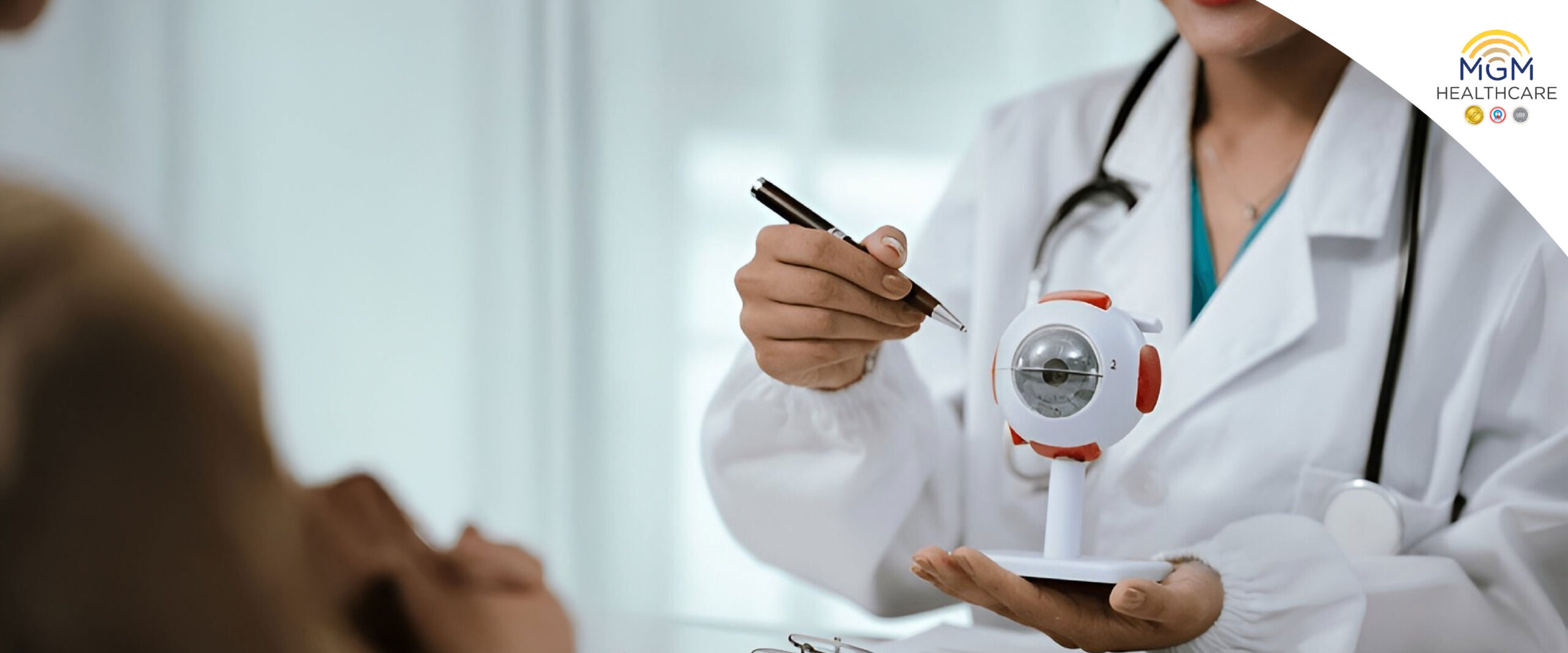
Myopia in Children: Early Signs, Diagnosis & Treatment Myopia in Children: Early Signs, Diagnosis & Treatment

Myopia in Children: Early Signs, Diagnosis & When to See an Eye Doctor Mon , Oct 13

About the Health Information

Our Health information will help you stay up to date on what is happening in health care. We bring you news/information/perspectives around health care innovations, preventive medicine, early diagnosis, nutrition and diet, women’s health, men’s health, children’s health, latest technologies, treatments and surgeries, diseases and conditions, fitness and more.


Popular Posts
Medical Emergency Mon , Dec 27
Shoulder Arthritis and its types

  • Myopia, commonly known as nearsightedness, is one of the most common vision problems affecting children. Children with myopia can usually see nearby objects clearly but may struggle to see distant objects such as classroom boards, road signs or television screens.

  • Early diagnosis of myopia is important because the condition can gradually worsen as a child grows. Identifying vision problems early allows timely intervention and may help slow myopia progression while supporting healthy visual development.

  • Understanding the signs of myopia, how it is diagnosed and when to seek professional care can help protect your child’s long-term eye health.

    Medically reviewed by ophthalmology specialists at MGM Healthcare.

Quick Answer

  • Myopia in children causes distant objects to appear blurry while nearby objects remain clear.

    Common signs include:

    • Squinting to see distant objects
    • Sitting too close to screens
    • Frequent headaches
    • Eye rubbing
    • Difficulty seeing the classroom board
    • Reduced interest in outdoor activities

    A comprehensive eye examination can help diagnose myopia and guide appropriate treatment.

What Is Myopia in Children?

  • Myopia occurs when the eye grows longer than normal or when the cornea bends light incorrectly. As a result, light focuses in front of the retina instead of directly on it, making distant objects appear blurry. Myopia can develop during childhood and often progresses as children grow older.

What Are the Early Signs of Myopia?

  • Many children may not realize their vision is changing.

    Parents and teachers are often the first to notice signs such as:

    • Squinting frequently
    • Sitting close to the television
    • Holding books very close to the face
    • Complaining of headaches
    • Difficulty seeing distant objects
    • Frequent eye rubbing
    • Reduced attention in class
    • Trouble reading information on the board

    Regular eye examinations can help detect vision changes before they begin affecting school performance.

How Do You Know If Your Child Has Myopia?

  • Children may not always communicate that they are having trouble seeing.

    You may suspect myopia if your child:

    • Moves closer to screens than usual
    • Struggles to recognize distant faces
    • Frequently blinks or squints
    • Complains of eye strain
    • Avoids activities requiring distance vision
    • Experiences headaches after school

    If these symptoms persist, an eye examination is recommended.

How Is Myopia Diagnosed?

  • A comprehensive eye examination is the most reliable way to diagnose myopia.

    An eye specialist may perform:

    • Vision testing
    • Refraction assessment
    • Eye health evaluation
    • Dilated eye examination when needed

    These tests help determine the degree of myopia and identify any other vision concerns.

What Causes Myopia in Children?

  • Several factors may contribute to the development of myopia.

    Common risk factors include:

    • Family history of myopia
    • Increased near work activities
    • Excessive screen exposure
    • Limited outdoor activity
    • Rapid eye growth during childhood

    Not every child with these risk factors develops myopia, but they may increase the likelihood.

    .

Can Screen Time Cause Myopia?

  • Screen time alone does not directly cause myopia.

    However, spending long hours focusing on nearby objects may contribute to eye strain and may be associated with a higher risk of myopia progression in some children.

  • Encouraging regular breaks and balancing screen use with outdoor activities can support healthy visual habits.

Can Myopia Get Worse Over Time?

  • Yes.

    Childhood myopia often progresses as the eyes continue to develop. Without monitoring, increasing myopia may lead to stronger prescription requirements over time.

    Higher levels of myopia can also increase the risk of certain eye conditions later in life, making regular eye checkups important.

How Is Childhood Myopia Managed?

  • Although myopia cannot usually be reversed, several approaches may help improve vision and manage progression.

    Treatment options may include:

    • Prescription glasses
    • Contact lenses
    • Low-dose atropine eye drops
    • Orthokeratology (Ortho-K) lenses
    • Myopia control lenses

    The most suitable option depends on the child’s age, prescription and individual eye health needs.

Tips to Support Healthy Vision in Children

  • Parents can encourage healthy eye habits by:

    • Limiting unnecessary screen time
    • Encouraging outdoor play
    • Ensuring proper lighting while studying
    • Following the 20-20-20 rule
    • Scheduling regular eye examinations

    Healthy visual habits may help reduce eye strain and support overall eye health.

When Should You See an Eye Doctor?

  • Arrange an eye examination if your child:

    • Squints frequently
    • Complains of blurred distance vision
    • Experiences recurring headaches
    • Holds books unusually close
    • Struggles at school due to vision difficulties
    • Has a family history of myopia

    Early diagnosis allows timely treatment and ongoing monitoring.

Expert Insight

  • Dr. Sanjeev Mohanty, Senior Consultant and Head of Ophthalmology at MGM Healthcare, emphasizes the importance of early vision screening in children.

  • “Many children with myopia may not realize their vision is changing because the progression is often gradual. Regular eye examinations help identify myopia early, allowing timely intervention and better long-term visual outcomes. Early detection plays an important role in supporting a child’s learning, confidence and overall development.”

Frequently Asked Questions (FAQ)

What is myopia in children?

Myopia is a condition that causes distant objects to appear blurry while nearby objects remain clear.

What are the first signs of myopia?

Squinting, headaches, sitting close to screens and difficulty seeing distant objects are common early signs.

How is myopia diagnosed?

Myopia is diagnosed through a comprehensive eye examination that includes vision testing and refraction assessment.

Can screen time cause myopia?

Extended near work and excessive screen use may contribute to eye strain and may be associated with myopia progression in some children.

Can childhood myopia be cured?

Myopia cannot usually be reversed, but treatments can improve vision and help manage progression.

When should my child have an eye examination?

Children should undergo regular eye examinations, especially if they show signs of vision difficulties or have a family history of myopia.