Hernia Symptoms: Warning Signs & When to See a Doctor - MGM Healthcare | Best Super-MultiSpecialty Hospital in Chennai Hernia Symptoms: Warning Signs & When to See a Doctor - MGM Healthcare | Best Super-MultiSpecialty Hospital in Chennai

Hernia Symptoms: Warning Signs & When to See a Doctor Mon , Feb 23

About the Health Information

Our Health information will help you stay up to date on what is happening in health care. We bring you news/information/perspectives around health care innovations, preventive medicine, early diagnosis, nutrition and diet, women’s health, men’s health, children’s health, latest technologies, treatments and surgeries, diseases and conditions, fitness and more.


Popular Posts
Health Tips Wed , Apr 8
Six daily shoulder exercises for arthritic pain
Medical Emergency Mon , Dec 27
Shoulder Arthritis and its types
Health Tips Wed , Apr 8
Stress and how to beat it
Categories
  • Cancer
  • Cardiac Care
  • Children's Health
  • Covid-19
  • Diabetes
  • ENT
  • Health Emergencies
  • Health Tips
  • Hernia
  • Hospitals
  • Interventional Pulmonology
  • Kidney Stone
  • Medical Emergency
  • Men's Health
  • Neuro Care
  • Oral Cancer
  • Orthopaedics
  • Spine Care
  • Stroke
  • Transplants
  • Women's Health
  • World Brain Day
  • World Health Day
  • World Hearing Day
  • World Kidney Day
  • World Sleep day
  • World Vaccination Day

  • Many people ignore early hernia symptoms, assuming the swelling will settle on its own. But when a hernia starts getting bigger, it can lead to serious complications such as bowel obstruction, tissue damage, or even life-threatening infection.

    At MGM, our expert surgical team frequently sees patients who delay treatment until symptoms worsen. Surgeons warn that postponing care increases the risk of emergency surgery and longer recovery time.

    Let’s understand what hernia symptoms mean, when a growing hernia becomes dangerous, and when you should consult a specialist in advanced gastrointestinal surgery

What Is a Hernia?

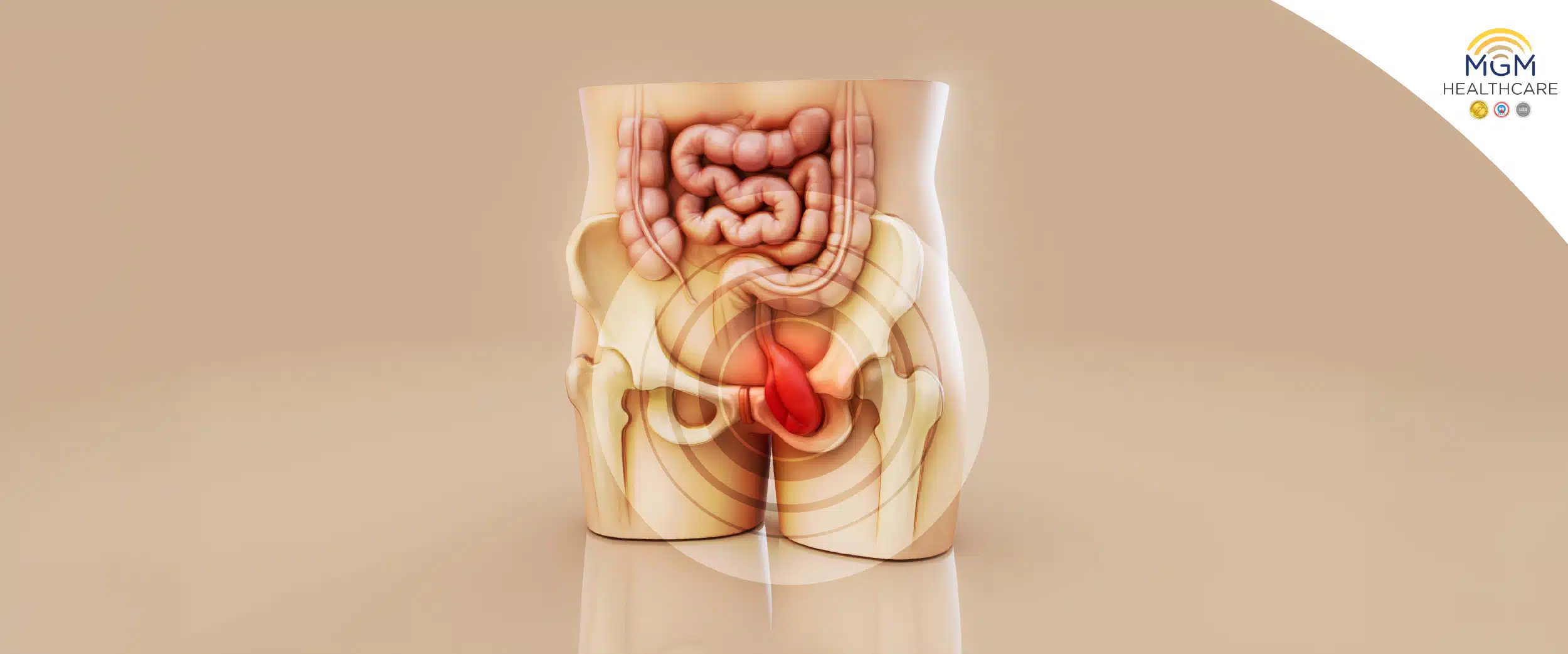
  • A hernia occurs when an internal organ pushes through a weak area in the abdominal muscles. It often appears as a visible bulge and may or may not cause pain initially.

    Common types include:

    • Inguinal hernia (groin area)
    • Umbilical hernia (near the belly button)
    • Hiatal hernia (upper stomach)
    • Incisional hernia (after previous surgery)

    Early hernia symptoms are often mild but a growing hernia should never be ignored.

Do Hernia Symptoms Differ by Type?

  • Although symptoms vary by type, worsening pain, swelling, or digestive issues should never be ignored.

    • Inguinal hernia symptoms: Groin swelling, discomfort while lifting
    • Umbilical hernia symptoms: Belly button bulge
    • Hiatal hernia symptoms: Heartburn, acid reflux

Why Do Hernia Symptoms Get Worse Over Time?

  • A hernia becomes larger when pressure inside the abdomen increases. This pushes tissue further through weakened muscles.

    Common causes include:

    • Lifting heavy objects
    • Chronic cough
    • Constipation and straining
    • Obesity
    • Pregnancy
    • Aging-related muscle weakness
    • Previous abdominal surgery

    If these risk factors continue, hernia symptoms may worsen and lead to complications.


What Are the Red Flag Hernia Symptoms?

  • Seek medical help immediately if you notice:

    • A bulge that is rapidly increasing in size
    • Persistent or worsening hernia pain
    • A hernia that does not go back in when lying down
    • Fever, redness, or vomiting
    • Difficulty passing stool or gas
    • Sudden severe abdominal pain

    These may indicate a strangulated hernia, which is a surgical emergency.

What Happens If a Hernia Is Left Untreated?

  • Ignoring worsening hernia symptoms can lead to:

    • Intestinal blockage
    • Strangulated hernia (cut off blood supply)
    • Tissue death
    • Severe infection
    • Sepsis
    • Emergency surgery

    When blood flow is cut off, the condition can quickly become life-threatening. Early diagnosis significantly improves recovery outcomes.

How Are Hernia Symptoms Diagnosed?

  • Doctors usually confirm a hernia through:

    • Physical examination
    • Medical history review
    • Ultrasound or CT scan
    • Blood tests (if infection is suspected)

    Accurate diagnosis helps determine whether monitoring or surgery is required.

Who Is at Higher Risk of Hernia Complications?

  • People at greater risk include:

    • Men over 40
    • Smokers
    • Individuals with chronic cough or constipation
    • Overweight individuals
    • Those with prior abdominal surgery
    • People who frequently lift heavy objects

    Early consultation reduces complication risks.

Can Hernia Symptoms Be Prevented from Getting Worse?

  • Yes, lifestyle changes can slow progression:

    • Avoid heavy lifting
    • Maintain a healthy weight
    • Eat high-fiber foods
    • Quit smoking
    • Treat chronic cough
    • Strengthen abdominal muscles safely

    However, a hernia does not heal on its own. Surgery is often the definitive treatment.

When Should You See a Hernia Specialist?

  • Consult a surgeon if:

    • The hernia is increasing in size
    • Pain becomes persistent
    • You experience nausea, fever, or bowel issues
    • The bulge becomes firm or tender

    Early repair reduces emergency risk and speeds recovery.

    Modern laparoscopic hernia surgery offers:

    • Smaller incisions
    • Less pain
    • Faster healing
    • Short hospital stay

Expert Insight

  • Dr Deepak Subramanian, Senior Consultant and Clinical Lead, General, Minimal Access (GI) & Bariatric Surgery at MGM Healthcare, specializes in advanced laparoscopic hernia repair and complex abdominal surgeries.

    “Many patients ignore early hernia symptoms because they seem mild. But a growing hernia can quickly become serious. Early surgical evaluation ensures safer treatment and faster recovery.”

    At MGM Healthcare, minimally invasive hernia repair is performed with precision, safety, and a focus on quicker healing.

Final Thought

  • If you notice worsening hernia symptoms, especially pain, rapid enlargement, or digestive issues, do not ignore them. Early medical consultation prevents complications and avoids emergency surgery.

    Prompt treatment means safer recovery, less pain, and better long-term health.

Frequently Asked Questions

When do hernia symptoms become dangerous?

Not always. But worsening symptoms require immediate evaluation.

Can a hernia disappear on its own?

No. Hernias do not heal naturally and usually enlarge over time.

Is hernia surgery safe?

Yes. Modern minimally invasive techniques are highly safe with quick recovery.

How long is recovery after hernia surgery?

Most patients resume normal activities within 1–2 weeks, depending on the type of surgery.