Right Side Chest Pain at Night: Causes, Symptoms & Treatment - MGM Healthcare | Best Super-MultiSpecialty Hospital in Chennai Right Side Chest Pain at Night: Causes, Symptoms & Treatment - MGM Healthcare | Best Super-MultiSpecialty Hospital in Chennai

Right Side Chest Pain at Night: Causes, Warning Signs & When to See a Cardiologist Tue , Feb 24

About the Health Information

Our Health information will help you stay up to date on what is happening in health care. We bring you news/information/perspectives around health care innovations, preventive medicine, early diagnosis, nutrition and diet, women’s health, men’s health, children’s health, latest technologies, treatments and surgeries, diseases and conditions, fitness and more.


Popular Posts
Health Tips Wed , Apr 8
Six daily shoulder exercises for arthritic pain
Medical Emergency Mon , Dec 27
Shoulder Arthritis and its types
Health Tips Wed , Apr 8
Stress and how to beat it
Categories
  • Cancer
  • Cardiac Care
  • Children's Health
  • Covid-19
  • Diabetes
  • ENT
  • Health Emergencies
  • Health Tips
  • Hernia
  • Hospitals
  • Interventional Pulmonology
  • Kidney Stone
  • Medical Emergency
  • Men's Health
  • Neuro Care
  • Oral Cancer
  • Orthopaedics
  • Spine Care
  • Stroke
  • Transplants
  • Women's Health
  • World Brain Day
  • World Health Day
  • World Hearing Day
  • World Kidney Day
  • World Sleep day
  • World Vaccination Day

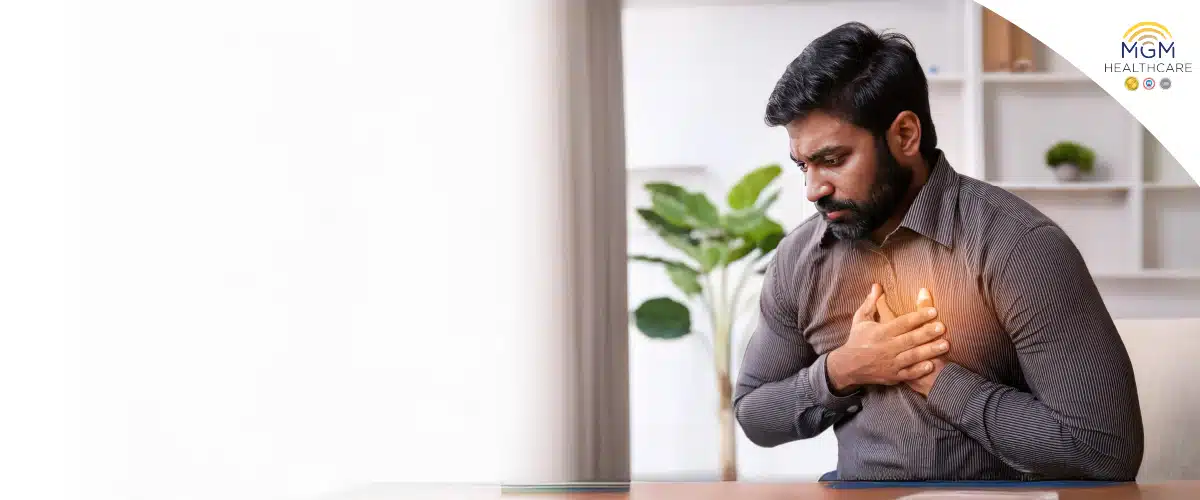
  • Chest pain at night can occasionally be caused by acidity, stress, or muscle strain, but it can also be an indication of a serious heart issue that has to be treated right away. Cardiologists say that neglecting chest sensations at night might cause heart attacks, heart failure, or other problems that could kill you.

What Causes Chest Pain at Night?

  • Pain can occur when heart blood flow is reduced or the heart muscle is under stress, especially during rest or sleep.

    Some common causes are:

    • Coronary artery disease
    • Indigestion or acid reflux
    • Blood pressure that is too high
    • Problems with heart rhythm
    • Nervousness or stress
    • Heart muscle swelling

    Ignoring symptoms can worsen the condition and may become life-threatening.

Warning Signs You Shouldn’t Ignore

  • Please seek emergency assistance immediately if you notice any of these signs:

    • Pain spreading to neck, jaw, arm, or back
    • Breathlessness when lying down
    • Sweating, nausea, or vomiting
    • Fast or irregular heartbeat 
    • Dizziness or fainting 
    • Chest pain that wakes you from sleep

    We should discuss the warning signs that require serious attention and the optimal time to consult a doctor.

The Effects of Ignoring Nighttime Chest Pain

  • Chest pain related to the heart that isn’t managed can lead to:

    • Heart attack
    • Heart failure
    • Heart attack that happens suddenly
    • Damage to the heart over time
    • Lowered quality of life

    Quick diagnosis dramatically increases the chances of survival and recovery.

How heart rhythm problems can be dangerous

  • If you don’t address irregular cardiac rhythms, they could lead to:

    • Fainting fits
    • Clots in the blood
    • Stroke
    • Death from a heart attack
    • Constant tiredness

    Timely cardiac treatment protects the heart’s function and life span.

How Cardiologists Diagnose These Conditions

  • Heart doctors employ basic tests that don’t hurt, like:

    • Look at the medical history and symptoms
    • Physical examination
    • Electrocardiogram (ECG)
    • Tests on blood for heart markers
    • Echocardiogram
    • Stress testing or imaging of the coronary arteries

    These tests assist in figuring out the best way to handle the problem.

Who Is More Likely to Get Sick?

  • People who are more likely to get sick are:

    • People with diabetes or high blood pressure
    • Smokers
    • People with high cholesterol
    • Family history of heart disease
    • Men above 40 and post-menopausal women
    • People with obesity or inactive lifestyle

    Early screening lowers hazards with time.

Daily Habits to Protect Heart Health

    • Eat foods that are good for your heart.
    • Get some exercise every day
    • Don’t drink or smoke.
    • Take care of your stress
    • Monitor your cholesterol and blood pressure levels.
    • Get excellent sleep

    Good behaviors lower heart problems at night.

When should you see a cardiologist?

  • If you get severe chest discomfort that wakes you up, lasts more than a few minutes, or is followed by shortness of breath, sweating, nausea, or fainting, see a heart specialist very far away. Finding out about a cardiac problem early helps stop heart attacks and save lives.

    As few invasive procedures as possible are used in MGM Healthcare’s thorough heart exams, cutting-edge diagnostics, and heart treatments.

Frequently Asked Questions

Can chest pain be caused by gas?

Yes. Trapped gas in the upper abdomen can cause sharp or pressure-like chest pain and often improves after burping or passing gas.

Why do I get chest pain when breathing?

Chest pain when breathing can happen due to lung lining inflammation, infections, or lung conditions, and should be checked if sudden or severe.

Why does chest pain occur?

Chest pain occurs due to heart, lung, digestive (acid reflux/gas), or muscle problems some causes need urgent medical care.

Is chest pain at night usually a sign of a heart attack?

No, but you should never ignore it, especially if it comes on suddenly, is severe, or keeps coming back.