Persistent Cough or Breathlessness? Causes & When to See a Doctor Persistent Cough or Breathlessness? Causes & When to See a Doctor

Persistent Cough or Breathlessness? Warning Signs of Serious Lung Disease Mon , Mar 23

About the Health Information

Our Health information will help you stay up to date on what is happening in health care. We bring you news/information/perspectives around health care innovations, preventive medicine, early diagnosis, nutrition and diet, women’s health, men’s health, children’s health, latest technologies, treatments and surgeries, diseases and conditions, fitness and more.


Popular Posts
Health Tips Wed , Apr 8
Six daily shoulder exercises for arthritic pain
Medical Emergency Mon , Dec 27
Shoulder Arthritis and its types
Health Tips Wed , Apr 8
Stress and how to beat it

Complete Guide to Lung Health : When to See a Lung Specialist

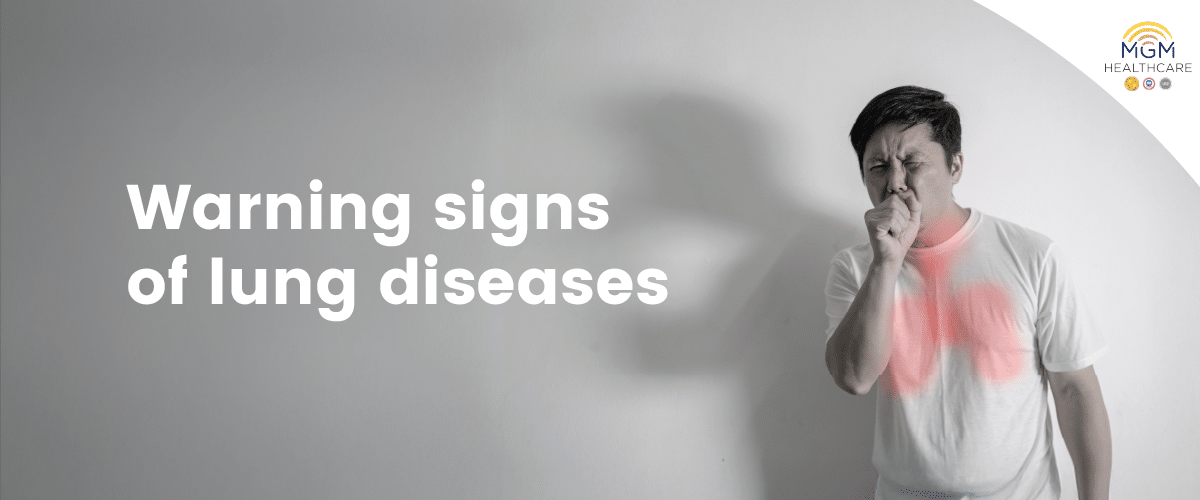
  • A persistent cough or breathlessness may seem harmless, but it can sometimes be an early sign of serious lung disease such as asthma, COPD, or infections. Recognizing these symptoms early can help prevent complications and improve treatment outcomes.

What causes persistent cough or breathlessness?

  • Persistent cough or breathlessness can be caused by conditions such as asthma, COPD, lung infections, or post-COVID complications. If symptoms last longer than a few weeks, medical evaluation is recommended.

Why You Should Not Ignore a Persistent Cough or Breathlessness

Lung Disease Often Develops Silently

  • Many patients with serious lung disease say, “I thought it was just a cough.”

    Early symptoms are often mild:

    • Breathlessness feels like simple fatigue
    • Wheezing appears occasionally
    • Chest tightness comes and goes
    • The cough seems manageable

    Over time, symptoms gradually worsen until even simple activities become difficult.

    Lung diseases often progress quietly without obvious warning signs.
    By the time daily life is affected, the condition may already be advanced.

Warning Signs Your Lung Condition May Be Serious

  • Severe lung disease does not always start suddenly.

    Watch for these symptoms:

    • Persistent cough lasting more than 3 weeks
    • Breathlessness while climbing stairs
    • Wheezing or noisy breathing
    • Chest discomfort or tightness
    • Coughing up blood
    • Frequent chest infections
    • Unexplained fatigue
    • Unintentional weight loss

    If you notice these symptoms, a lung evaluation is strongly recommended.
    Early diagnosis significantly improves treatment outcomes.

When Do You Need Advanced Lung Care?

  • You may need specialized pulmonary care if:

    • Asthma is not well controlled
    • COPD symptoms are worsening
    • Oxygen support is required
    • Repeated hospital admissions occur
    • Lung fibrosis is suspected
    • Tuberculosis is not responding to treatment
    • Lung cancer is suspected
    • Breathlessness persists after COVID-19

    Delaying medical care can limit treatment options and worsen outcomes.

What Happens During a Lung Evaluation?

  • Understanding the process can reduce anxiety.

    Step 1: Clinical Assessment

    • Symptom review
    • Medical history
    • Physical examination

    Step 2: Advanced Diagnostics

    • Pulmonary Function Tests (PFT)
    • High-resolution CT scan
    • Bronchoscopy (if required)
    • Sleep study (for sleep apnea)
    • Blood tests and imaging

    Step 3: Personalized Treatment Plan

    • Inhaler optimization
    • Medication management
    • Pulmonary rehabilitation
    • Interventional pulmonology procedures
    • Surgical consultation (if required)

    Step 4: Ongoing Monitoring

    • Regular follow-ups
    • Long-term symptom control

Can You Return to Normal Life After Lung Treatment?

  • Yes, in many cases.

    With proper treatment, patients often experience:

    • Easier breathing
    • Better sleep
    • Improved exercise capacity
    • Fewer hospital visits
    • Return to normal daily activities

    Even in chronic conditions, quality of life can significantly improve with early intervention.

What Happens If You Ignore Lung Symptoms?

  • Delaying care can lead to serious complications:

    • Severe respiratory failure
    • ICU admission
    • Permanent lung damage
    • Heart strain due to chronic lung disease
    • Reduced life expectancy

    Early treatment can prevent most of these complications.

Why Choosing the Right Lung Hospital Matters

  • When selecting a lung hospital in Chennai, consider:

    • Expertise of pulmonologists
    • Advanced diagnostic facilities
    • Dedicated respiratory ICU
    • Infection control standards
    • Multidisciplinary care
    • Emergency support availability
    • Rehabilitation programs

    At MGM Healthcare, patients have access to:

    • Advanced pulmonology and critical care services
    • Specialized respiratory ICU units
    • Experienced pulmonologists and thoracic surgeons
    • Interventional pulmonology expertise
    • Post-COVID lung rehabilitation
    • 24/7 emergency respiratory care

    Comprehensive care improves long-term outcomes and survival.

Should You Get Your Lungs Checked Now?

  • You should seek evaluation if:

    • You have a persistent cough
    • You experience breathlessness after minimal activity
    • You have repeated hospital visits
    • Your inhalers are not effective
    • You continue to have breathing issues after COVID

    Early testing helps detect problems before they become serious.

Frequently Asked Questions (FAQs)

How long does a lung check-up take?

Most tests can be completed within a few hours to one day, depending on complexity.

Can lung problems be treated early?

Yes. Early diagnosis allows effective treatment and prevents complications.

Can non-smokers develop lung disease?

Yes. Pollution, infections, allergies, genetics, and autoimmune conditions can affect lung health.

Is surgery always required for lung disease?

No. Most lung conditions are managed with medications. Surgery is needed only in selected cases.

Can lung capacity improve after treatment?

Yes. Pulmonary rehabilitation and proper treatment can significantly improve breathing capacity.