Our Health information will help you stay up to date on what is happening in health care. We bring you news/information/perspectives around health care innovations, preventive medicine, early diagnosis, nutrition and diet, women’s health, men’s health, children’s health, latest technologies, treatments and surgeries, diseases and conditions, fitness and more.

Many people first notice a kidney stone when severe discomfort develops in the side or lower back.
Other warning signs may include:
While not every episode of side pain is caused by a kidney stone, severe or persistent symptoms should not be ignored.
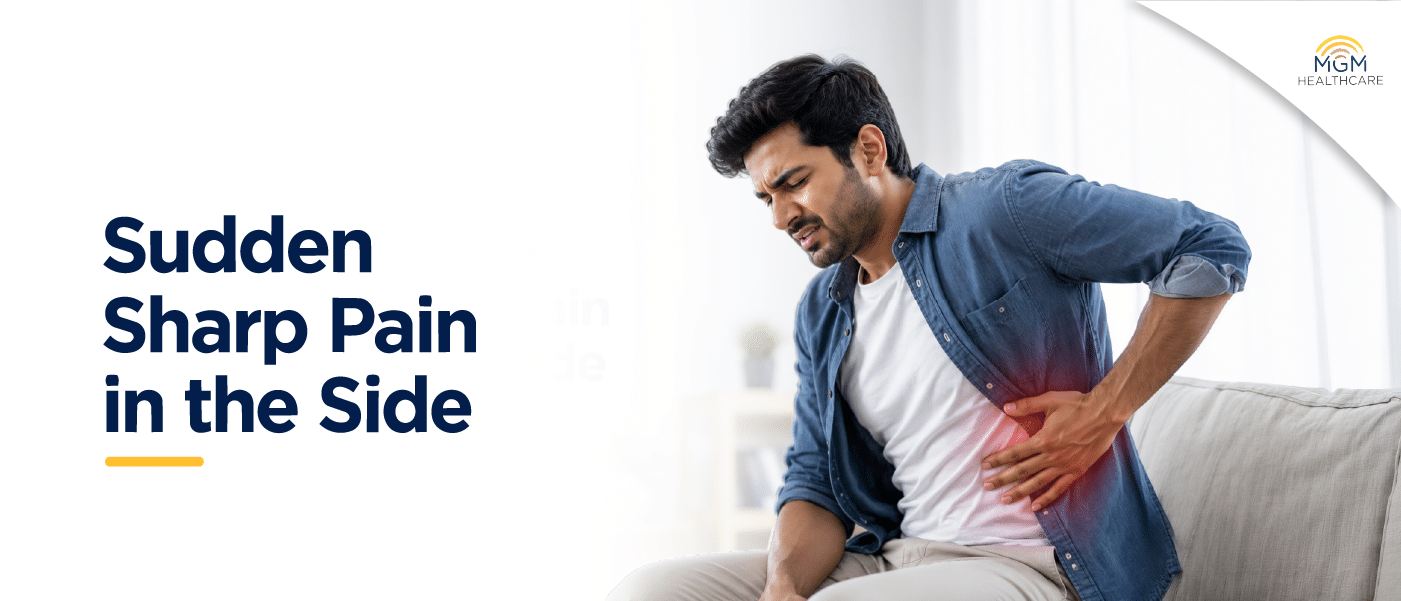
A sharp pain in the side can be alarming, especially when it appears without warning.
Some people describe it as a stabbing sensation, while others experience waves of pain that become increasingly intense. As the pain may occur in waves, many people mistake it for a muscle or stomach issue.
One possible cause is a kidney stone.
Understanding how kidney stone pain feels and when medical attention is needed can help you take the right steps quickly.
Kidney stone pain often begins suddenly.
Many people experience:
The exact location may vary depending on where the stone is within the urinary tract.
Kidney stones develop when minerals in the urine collect and gradually solidify within the kidneys.
Pain usually develops when a stone begins moving through the urinary tract.
As the stone travels, it may:
This combination can cause severe discomfort that often requires medical attention.
In addition to side pain, you may notice:
Pain That Moves
Discomfort may start in the flank and gradually move toward the lower abdomen or groin.
Nausea and Vomiting
The body’s response to intense pain can sometimes trigger nausea or vomiting.
Changes in Urination
You may experience:
Blood in the Urine
Urine may look different than usual if a stone causes minor bleeding within the urinary tract.
Seek immediate medical care if you experience:
These signs may indicate a complication that requires urgent treatment.
Yes.
Side pain can occur for several reasons, including:
Because symptoms can overlap, medical evaluation is often needed to determine the cause.
Doctors may recommend:
These investigations help confirm the presence, size, and location of a kidney stone.
The treatment approach varies based on the stone’s size and location.
Small stones may pass naturally with:
Larger stones may require:
Healthy daily habits may help reduce the risk of kidney stones.
Stay Hydrated
Adequate water intake helps dilute substances that can contribute to stone formation.
Limit Excess Salt
High sodium intake may increase the risk of certain types of kidney stones.
Maintain a Balanced Diet
A varied diet rich in fruits and vegetables can support urinary health.
Follow Medical Advice
Individuals with a history of stones may require specific dietary modifications based on the stone type.
“Many patients initially assume severe side pain is related to a muscle problem. However, kidney stone pain often develops suddenly and can become intense very quickly. Early evaluation helps uncover the cause and direct further care.”
– Dr. Sudharsan S B, Senior Consultant & Clinical Lead, Department of Urology, MGM Healthcare
Sudden side pain should never be ignored, especially when it is severe or associated with urinary symptoms.
While kidney stones are a common cause, other medical conditions can produce similar symptoms.
Seeking timely medical evaluation can help identify the cause, relieve discomfort, and prevent complications.
Dr. Sudharsan S B is the Senior Consultant & Clinical Lead in the Department of Urology at MGM Healthcare.
His clinical focus includes kidney stone care, endourology, urinary disorders, and minimally invasive urological treatments.
Experiencing severe side pain, urinary symptoms, or concerns about kidney stones?
Consult Dr. Sudharsan S B and the Urology team at MGM Healthcare for expert evaluation and personalised treatment.
Pain that begins in the side or back and moves toward the groin is a common sign of a kidney stone.
No. Many small stones pass naturally with hydration and medical management.
Yes. The pain often occurs in waves and may vary in intensity.
Not always, but it can occur when a stone irritates the urinary tract.
Seek medical attention if the pain is severe, persistent, associated with fever, vomiting, or difficulty passing urine.