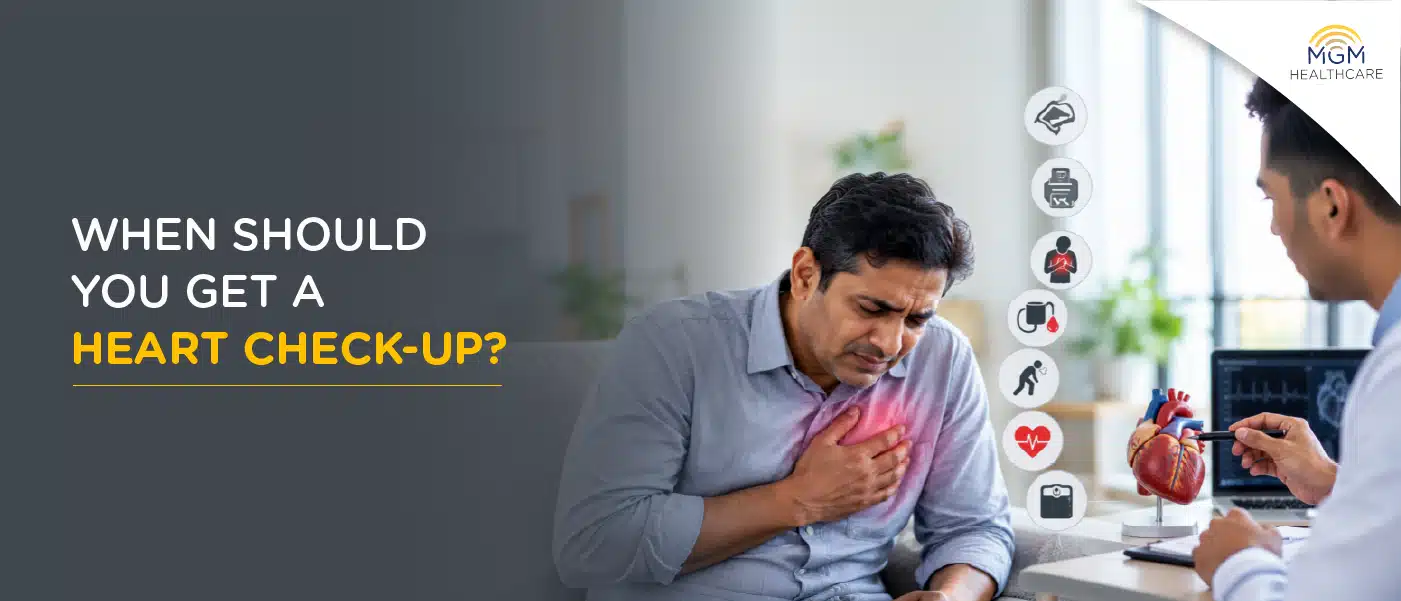
Heart-related symptoms can sometimes resemble indigestion, stress or ordinary tiredness. The following symptoms deserve attention, particularly when they are new, unexplained or worsening.
Chest Pain or Discomfort
Heart-related discomfort may feel like pressure, tightness, squeezing or heaviness in the chest. It may also spread to the arms, shoulders, back, neck or jaw.
Chest discomfort accompanied by sweating, nausea, breathlessness or faintness may indicate a heart attack. Seek emergency medical help immediately.
Shortness of Breath
Unusual breathlessness while walking, climbing stairs or doing everyday activities can have several causes, including heart or lung conditions.
Arrange a medical assessment if breathlessness is new, unexplained or getting worse. Sudden or severe breathlessness requires emergency care.
Unusual Fatigue or Weakness
Persistent or unexplained fatigue can have many causes. It deserves medical assessment, especially if it occurs alongside breathlessness, chest discomfort or other new symptoms.
Palpitations, Dizziness or Fainting
Frequent episodes of a fast, forceful or uneven heartbeat should be assessed by a healthcare professional. Unexplained or recurrent dizziness and fainting should also be assessed.
Seek emergency care if palpitations or fainting occur with chest pain or severe breathlessness.
Do not wait to see whether possible heart attack symptoms go away. Symptoms can vary between individuals. Contact emergency services immediately if you suspect a heart attack.



 In-person Consultation
 Online Video Consultation
 Preventive Health
 Treatment Enquiries
 Find a Doctor
 Access the Patient Portal
 +91 44 4524 2407
  Cardiac Sciences
 Gastro Sciences
 Minimal Access GI & Bariatric Surgery
 Heart & Lung Transplant
 Multi-Visceral and Abdominal Organ Transplant
 Liver Transplant
 Neurosurgery
 Neurology
 Spine Surgery
 Obstetrics and Gynaecology
 Orthopaedics
 Total Knee replacement
 Renal Sciences
 ENT, Head & Neck surgery
 Internal Medicine
 Anaesthesiology & SICU
 Emergency Medicine
 Radiology and Imaging Services
 Aesthetic & Plastic Surgery
 Dermatology
 Laboratory services & Blood Bank
 Maxillofacial & Dental Surgery
 Critical Care
 Opthamology
 Pain Management
 Pulmonology
 Rehabilitation Medicine
 Pediatrics and Neonatology
 Paediatric Cardiology
 Emergency Na MGM
 IVF
IVF Oncology Treatments
 Health Packages
 Healthcaring TV
 Healthcaring Stories
 Visitors
 Events
 Media
Media Health Information
 BMW Data
 Careers
 Contact Us
 About
About +91 44 4524 2407Appointment
 +91 44 4200 4200Emergency