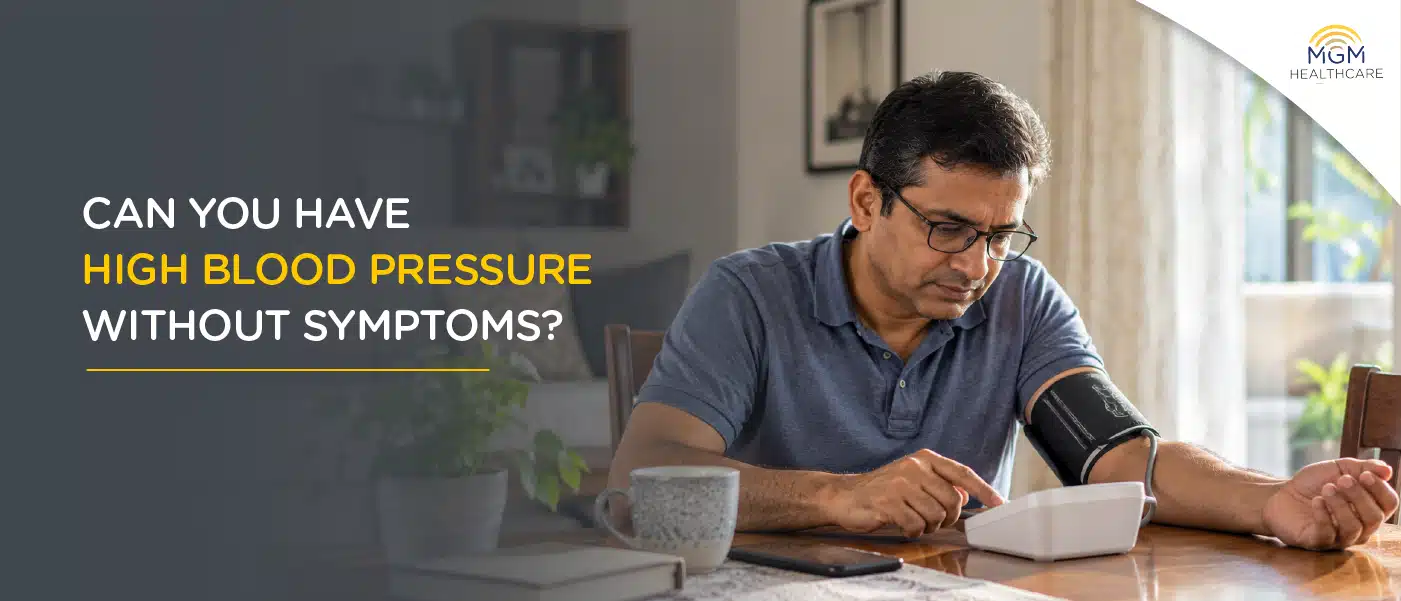
High blood pressure can develop without noticeable symptoms, even when it begins affecting your health. Known as silent hypertension, it may go undetected until a routine health check reveals it. Regular blood pressure measurements, awareness of your risk factors and timely medical care can help identify hypertension before it leads to serious complications.
Silent hypertension is high blood pressure that does not cause noticeable symptoms. Blood pressure indicates how strongly blood pushes against artery walls.
When this pressure remains elevated, it can place ongoing strain on the cardiovascular system and damage organs over time. Because these changes may happen without obvious warning signs, some people remain unaware of their condition for years.
The key point: Do not rely on how you feel to judge your blood pressure. Regular measurements are essential for detecting hypertension.
Yes. Many people with hypertension feel completely normal and continue their usual activities without realising their blood pressure is elevated.
Very high blood pressure may cause headaches, dizziness or vision changes, although these symptoms have other possible causes. Their absence does not rule out hypertension, and their presence alone does not confirm it.
A blood pressure check can help identify a problem even when you feel well. Your doctor may recommend additional readings on separate occasions or home monitoring to determine whether your blood pressure remains high.
Anyone can develop high blood pressure, but some people may have a greater risk and benefit from more frequent monitoring.
Pay particular attention to blood pressure checks if you have any of the following risk factors:
Your doctor can recommend a suitable screening schedule based on your age, medical history, previous readings and overall health.
High blood pressure usually does not cause clear symptoms. However, a severe rise in blood pressure accompanied by certain symptoms may indicate a medical emergency.
Seek emergency medical care if you experience:
These symptoms can have several causes, including conditions such as a heart attack or stroke. Do not assume that hypertension is the cause or wait for symptoms to disappear.
What if your blood pressure reading is above 180/120 mmHg?
Wait at least one minute and measure it again. If the repeat reading remains this high, contact a healthcare professional immediately. If you also have chest pain, breathing difficulty, weakness, numbness, vision changes or difficulty speaking, seek emergency medical assistance without delay.
Do not postpone care while trying home remedies or waiting for your blood pressure to fall on its own.
Several factors can influence whether you develop high blood pressure. Some cannot be changed, while others can be managed through lifestyle changes and medical care.
Family History and Age
Having a family history of hypertension can increase your chances of developing it. The condition can occur at any age, but the risk generally rises over time.
Eating Too Much Salt
A diet containing excessive sodium can contribute to elevated blood pressure. Salt may come from home-cooked meals as well as packaged snacks, pickles, sauces, instant foods and restaurant meals.
Being Physically Inactive
Regular movement supports heart health and helps manage weight. Limited physical activity can contribute to hypertension and other cardiovascular risk factors.
Excess Weight
Carrying excess body weight can place additional demands on the circulatory system. Maintaining a weight appropriate for your health may help improve blood pressure control.
Smoking and Alcohol Use
Smoking damages blood vessels and increases cardiovascular risk. Excessive alcohol intake can also raise blood pressure, making moderation or avoiding alcohol an important part of a prevention plan.
Diabetes and Kidney Disease
Diabetes and chronic kidney disease are associated with a greater risk of hypertension. High blood pressure can cause further kidney damage, so people with kidney disease need regular checks
Blood pressure is measured using a monitor with an inflatable cuff, usually placed around the upper arm. The reading contains two numbers:
Your doctor will interpret both numbers according to the relevant clinical guidelines and your individual health circumstances.
A hypertension assessment may include:
1. Blood pressure measurements: Your reading may be repeated during the same visit or on separate occasions.
2. Home monitoring: Your doctor may recommend recording readings at home to understand your blood pressure over time.
3. Medical history review: Your clinician may ask about family history, medications, lifestyle habits and existing health conditions.
4. Additional investigations: Blood and urine tests, kidney function tests or other examinations may be recommended to assess related health risks.
A single elevated reading does not always establish a diagnosis. Blood pressure can temporarily change due to stress, activity, caffeine or other factors. Follow your clinician’s advice on repeat measurements and further evaluation.
Healthy daily habits can help prevent hypertension and support treatment if you already have high blood pressure.
Reduce Salt in Your Diet
Limit foods high in sodium and check nutrition labels when buying packaged products. Choose fresh ingredients where possible and reduce the amount of salt added during cooking.
Eat a Balanced Diet
Include vegetables, fruits, whole grains, pulses and other nutritious foods in your meals. Your doctor or dietitian can help you choose a diet suitable for your health needs.
Stay Physically Active
Aim for regular physical activity that suits your ability and medical condition. Walking, cycling and other moderate activities can support heart health. If you have an existing health condition, ask your doctor what level of activity is appropriate.
Maintain a Healthy Weight
If you are carrying excess weight, gradual and sustainable changes to your eating and activity habits may help improve blood pressure.
Avoid Tobacco
Stopping smoking and avoiding other tobacco products can improve cardiovascular health.
Limit Alcohol and Prioritise Sleep
Excessive alcohol intake and inadequate sleep can affect blood pressure and overall health. Follow healthy sleep habits and discuss persistent sleep problems with your healthcare professional.
Take Prescribed Medication as Directed
Some people need medication alongside lifestyle changes to control hypertension. Take your medicines as prescribed and do not stop, reduce or change the dose without consulting your doctor, even if you feel well.

The right frequency depends on your blood pressure readings, age, medical history and risk factors.
For more reliable home readings, sit quietly for five minutes before measuring. Keep your back supported, feet flat on the floor and arm supported at heart level. Use a properly fitting cuff and follow the monitor’s instructions.
Arrange a medical consultation if your blood pressure readings are repeatedly above the recommended range, even if you have no symptoms. You should also discuss screening if you have conditions or lifestyle factors that increase your risk.
Seek urgent medical attention if your reading is extremely high, particularly if it remains above 180/120 mmHg on repeat measurement. If it is accompanied by chest pain, breathing difficulty, sudden weakness, vision changes or difficulty speaking, seek emergency care immediately.
Early assessment can help your healthcare team determine whether you need lifestyle changes, medication or further investigations.
Silent hypertension can remain undetected because it may not affect how you feel. Regular screening, awareness of risk factors and appropriate medical follow-up can help identify high blood pressure and reduce the risk of long-term complications.
If you have not checked your blood pressure recently, consider arranging a routine measurement. Knowing your readings is an important step towards protecting your heart, brain and kidney health.
Medical review note: This article is for general health education and does not replace individual medical advice. Consult a qualified healthcare professional for diagnosis and treatment.
Yes. Hypertension often causes no noticeable symptoms. Regular blood pressure measurements are important because you cannot reliably determine your blood pressure from how you feel.
Silent hypertension has no consistent, noticeable symptoms. Headaches, dizziness and vision changes can occur for many reasons and cannot reliably identify high blood pressure. Measurement is necessary to detect it.
Risk factors include increasing age, family history, excess weight, high salt intake, physical inactivity, tobacco use, excessive alcohol consumption, diabetes and kidney disease. People with these risk factors may need more regular checks.
You can use a validated automatic upper-arm blood pressure monitor and follow the correct measurement technique. Record your readings and share them with your healthcare professional. Home readings can help with assessment, but your doctor should confirm the diagnosis.
Yes. Reducing sodium intake, eating a balanced diet, exercising regularly, maintaining a healthy weight and avoiding tobacco can help manage blood pressure. Some people also need medication, depending on their readings and overall health.
Not always. Blood pressure can fluctuate, so your doctor may recommend repeat measurements or home monitoring. Follow medical advice to determine whether your readings indicate persistent hypertension.