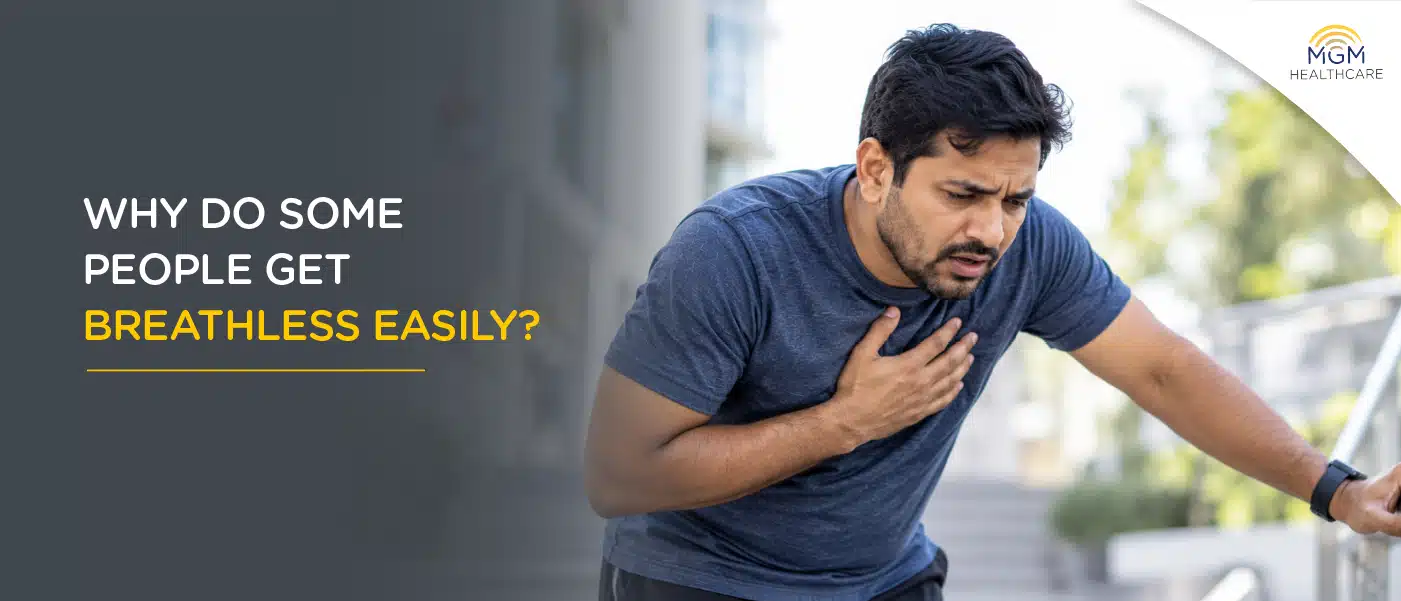
Why Do I Get Breathless Easily? Causes and Warning Signs Why Do I Get Breathless Easily? Causes and Warning Signs

Why Do Some People Get Breathless Easily? Common Causes From Lungs to Heart Wed , Oct 28

Getting breathless after intense exercise can be normal, but struggling to breathe during everyday activities may indicate an underlying health problem. Common causes include asthma, lung infections, heart conditions, anaemia, anxiety and reduced physical fitness. Identifying when breathlessness occurs and what other symptoms accompany it can help doctors determine the cause and recommend appropriate treatment.

Fast Facts

  • Breathlessness can result from lung, heart or other health conditions.
  • Asthma, respiratory infections, heart disease and anaemia are possible causes.
  • Breathlessness during routine activities or while lying down should be medically assessed.
  • Sudden, severe breathing difficulty or breathlessness with chest pain requires emergency care.

What Is Breathlessness?

Breathlessness, medically known as dyspnoea, is the feeling of not getting enough air or having difficulty breathing.

You may notice it while walking, climbing stairs, exercising or resting. Although strenuous activity can leave you temporarily short of breath, repeated or unexplained breathlessness should not be ignored.

What Causes Shortness of Breath?

The cause may involve the lungs, heart or other parts of the body.

1. Lung and Respiratory Conditions

Lung and airway problems can make it harder to move air into and out of the lungs.

  • Asthma: Inflamed, narrowed airways can cause breathlessness, wheezing, coughing and chest tightness.
  • Respiratory infections: Conditions such as pneumonia can cause breathing difficulties along with fever, cough or chest discomfort.
  • Chronic obstructive pulmonary disease (COPD): This long-term lung condition can make breathing increasingly difficult, particularly during physical activity.
  • Allergic reactions: Severe allergies can cause swelling of the airways and may become life-threatening.

2. Heart Problems

Yes, heart conditions can cause breathlessness. If the heart cannot pump blood effectively or its function is affected, fluid may build up in the lungs or the body’s oxygen supply may be compromised.

Possible heart-related causes include:

  • Heart failure
  • Coronary artery disease
  • Heart valve disorders
  • Abnormal heart rhythms

Breathlessness that worsens during activity or when lying flat may be associated with a heart problem. Swollen ankles, unusual fatigue or palpitations can provide additional clues.

3. Anaemia

Anaemia occurs when the blood has insufficient healthy red blood cells or haemoglobin to carry oxygen effectively. This can leave you feeling tired, weak or breathless, particularly during physical activity.

A blood test can help determine whether anaemia is contributing to your symptoms.

4. Anxiety and Stress

Anxiety can change your breathing pattern and cause a sensation of not getting enough air. Some people also experience a racing heartbeat, dizziness or chest tightness.

However, new or unexplained breathlessness should not automatically be attributed to anxiety. A medical assessment may be needed to rule out other causes.

5. Reduced Fitness or Excess Body Weight

People who are less physically active may become breathless when climbing stairs, walking quickly or exercising. Excess body weight can also increase the effort required for physical activity.

However, breathlessness that is new, persistent or worsening should not simply be blamed on poor fitness or weight.

When Should You Be Concerned About Breathlessness?

Arrange a medical assessment if you:

  • Become breathless during activities you previously managed comfortably.
  • Notice that your breathing difficulty is becoming more frequent or severe.
  • Feel breathless while resting or lying flat.
  • Wake during the night because you are struggling to breathe.
  • Experience breathlessness with palpitations, persistent coughing or wheezing.
  • Notice swelling in your legs or ankles, or unusual fatigue.

Seek emergency medical care immediately if you have sudden or severe breathing difficulty, cannot speak normally because of breathlessness, experience severe chest pain, faint, become confused or develop blue or grey lips or skin. Do not wait for a routine appointment.

How Is the Cause of Breathlessness Diagnosed?

Your doctor will ask when the symptoms began, what triggers them and whether you have other symptoms or existing medical conditions.

Depending on the findings, investigations may include:

  • Oxygen level measurement: Checks oxygen saturation in the blood.
  • Blood tests: May identify anaemia or other abnormalities.
  • Chest X-ray: Helps investigate certain lung and chest conditions.
  • Pulmonary function tests: Assess how well your lungs work.
  • Electrocardiogram (ECG): Records the electrical activity of the heart.
  • Echocardiogram: Uses ultrasound to examine the heart’s structure and function.

Not everyone needs every test. The doctor will select investigations based on your symptoms and examination.

How Can You Reduce the Risk of Breathlessness?

The right approach depends on the underlying cause. General measures that may help include:

  • Avoid smoking and second-hand smoke.
  • Stay physically active at a level appropriate to your health.
  • Maintain a healthy weight where possible.
  • Manage conditions such as asthma, diabetes and high blood pressure with professional guidance.
  • Reduce exposure to known allergens and air pollution where practical.
  • Follow your prescribed treatment for heart or lung conditions.

These measures cannot prevent every cause of breathlessness. Seek medical advice if your symptoms are new or worsening.

Do Not Ignore Changes in Your Breathing

Getting breathless after strenuous exercise is different from struggling to breathe during everyday activities. Persistent or unexplained breathlessness can be a sign of a lung, heart or other health condition that needs attention.

If your breathing has changed, consult a healthcare professional to identify the cause and discuss appropriate treatment. If symptoms are sudden or severe, seek emergency care immediately.

Medical disclaimer: This article is for general educational purposes and does not replace professional medical advice.

Medical references

Frequently Asked Questions

1. Why do I get breathless when walking or climbing stairs?

Breathlessness during activity can be related to reduced fitness, excess body weight, anaemia or heart and lung conditions. If it is new, persistent or worsening, consult a healthcare professional.

2. Can heart problems cause shortness of breath?

Yes. Heart failure, coronary artery disease and heart rhythm disorders can cause breathlessness. Symptoms may also include fatigue, palpitations or swelling in the legs.

3. How can I tell whether breathlessness comes from my heart or lungs?

Symptoms can overlap, so it is not always possible to distinguish the cause yourself. A doctor may recommend heart or lung tests based on your medical history and examination.

4. Can anxiety make you feel short of breath?

Yes. Anxiety can alter breathing patterns and create a feeling of air hunger. However, unexplained or persistent symptoms should be assessed rather than assumed to be anxiety-related.

5. When is shortness of breath an emergency?

Sudden or severe breathing difficulty, severe chest pain, fainting, confusion or blue or grey lips or skin require immediate emergency medical care.

Enquire Now

Fill the form and our team will get back to you within 24 hours