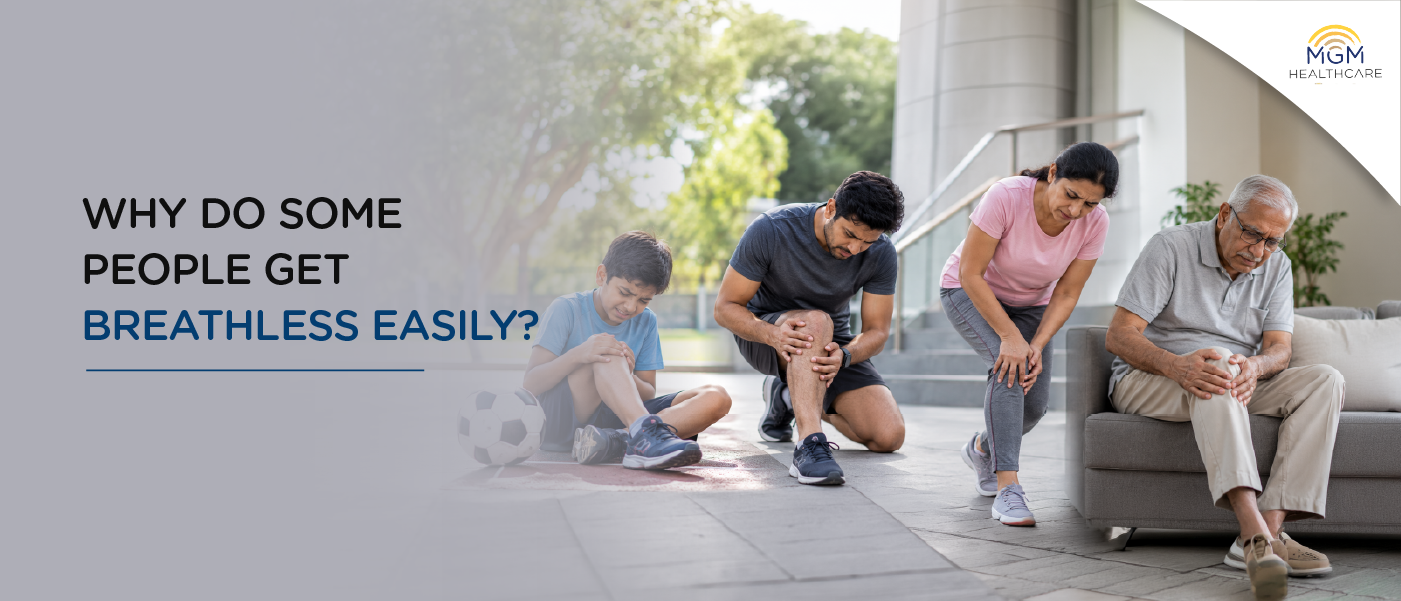
The knee is a complex joint supported by bones, cartilage, ligaments, tendons and muscles. Pain can develop when any of these structures are injured, irritated or affected by an underlying condition.
1. Knee Pain in Children and Teenagers
Knee pain in children and teenagers is often associated with sports, physical activity and periods of rapid growth.
Common causes include:
- Osgood-Schlatter disease: This condition causes pain and swelling around the bony area just below the kneecap. It commonly affects physically active adolescents during growth.
- Sports injuries: Running, jumping, twisting and sudden changes in direction can cause injuries to the ligaments, cartilage or other knee structures.
- Overuse injuries: Repeated physical activity without sufficient recovery may irritate tendons and surrounding tissues.
- Patellofemoral pain: Pain around or behind the kneecap that may become worse during running, squatting or climbing stairs.
When to seek help: Consult a healthcare professional if knee pain causes limping, significant swelling, difficulty bearing weight or persistent discomfort that affects normal activities.
2. Knee Pain in Young Adults
Young adults may experience knee pain because of sports, exercise, occupational activities or previous injuries.
Common causes include:
- ACL injuries: The anterior cruciate ligament may be damaged during sudden stops, twisting movements or changes in direction.
- Meniscus tears: The meniscus is cartilage that helps cushion the knee joint. A tear can cause pain, swelling, catching or difficulty moving the knee.
- Patellofemoral pain syndrome: This causes pain around or behind the kneecap, particularly during activities such as running, squatting and climbing stairs.
- Tendon problems: Repeated jumping, running or strenuous exercise can irritate the tendons around the knee.
Continuing intense physical activity despite pain may aggravate an injury. Persistent pain, swelling or a feeling that the knee is unstable should be assessed.
3. Knee Pain in Your 40s and 50s
Knee pain may become more common during middle age. However, it is not always caused by ageing.
Possible causes include:
- Osteoarthritis: Changes in the joint cartilage and surrounding structures can cause pain, stiffness and difficulty moving the knee.
- Previous knee injuries: Earlier ligament, cartilage or meniscus injuries may contribute to joint problems later in life.
- Muscle weakness: Reduced strength in the muscles supporting the knee can affect joint function and movement.
- Weight-related stress: Excess body weight can increase the load placed on the knee joints.
- Repetitive physical strain: Frequent kneeling, squatting, climbing stairs or prolonged standing may aggravate knee discomfort.
Some people experience stiffness after sitting for a long time or discomfort when getting up from a chair. These symptoms can have several causes and should not automatically be attributed to osteoarthritis.
If knee pain keeps returning or affects your daily activities, an orthopaedic assessment can help identify the underlying condition.
4. Knee Pain in Older Adults
Knee pain becomes more common in older adults, particularly because conditions such as osteoarthritis are more prevalent with increasing age.
Common causes include:
- Osteoarthritis: A joint condition that can cause pain, stiffness, swelling and reduced mobility.
- Rheumatoid arthritis: An autoimmune condition that causes joint inflammation and may affect the knees.
- Reduced muscle strength: Weakness in the muscles around the knee can affect stability, balance and movement.
- Previous injuries: Earlier injuries may contribute to joint problems as a person gets older.
People with knee osteoarthritis may experience discomfort while walking, climbing stairs or standing for extended periods. Some also experience stiffness after periods of inactivity.
However, knee pain should not be dismissed as an unavoidable part of ageing. Appropriate assessment and treatment can help manage symptoms and maintain mobility.



 In-person Consultation
 Online Video Consultation
 Preventive Health
 Treatment Enquiries
 Find a Doctor
 Access the Patient Portal
 +91 44 4524 2407
 Cardiac Sciences
 Gastro Sciences
 Minimal Access GI & Bariatric Surgery
 Heart & Lung Transplant
 Multi-Visceral and Abdominal Organ Transplant
 Liver Transplant
 Neurosurgery
 Neurology
 Spine Surgery
 Obstetrics and Gynaecology
 Orthopaedics
 Total Knee replacement
 Renal Sciences
 ENT, Head & Neck surgery
 Internal Medicine
 Anaesthesiology & SICU
 Emergency Medicine
 Radiology and Imaging Services
 Aesthetic & Plastic Surgery
 Dermatology
 Laboratory services & Blood Bank
 Maxillofacial & Dental Surgery
 Critical Care
 Opthamology
 Pain Management
 Pulmonology
 Rehabilitation Medicine
 Pediatrics and Neonatology
 Paediatric Cardiology
 Emergency Na MGM
 IVF
 Oncology Treatments
 Health Packages
 Healthcaring TV
 Healthcaring Stories
 Visitors
 Events
 Media
 Health Information
 BMW Data
 Careers
 Contact Us
 About
 +91 44 4524 2407Appointment
 +91 44 4200 4200Emergency