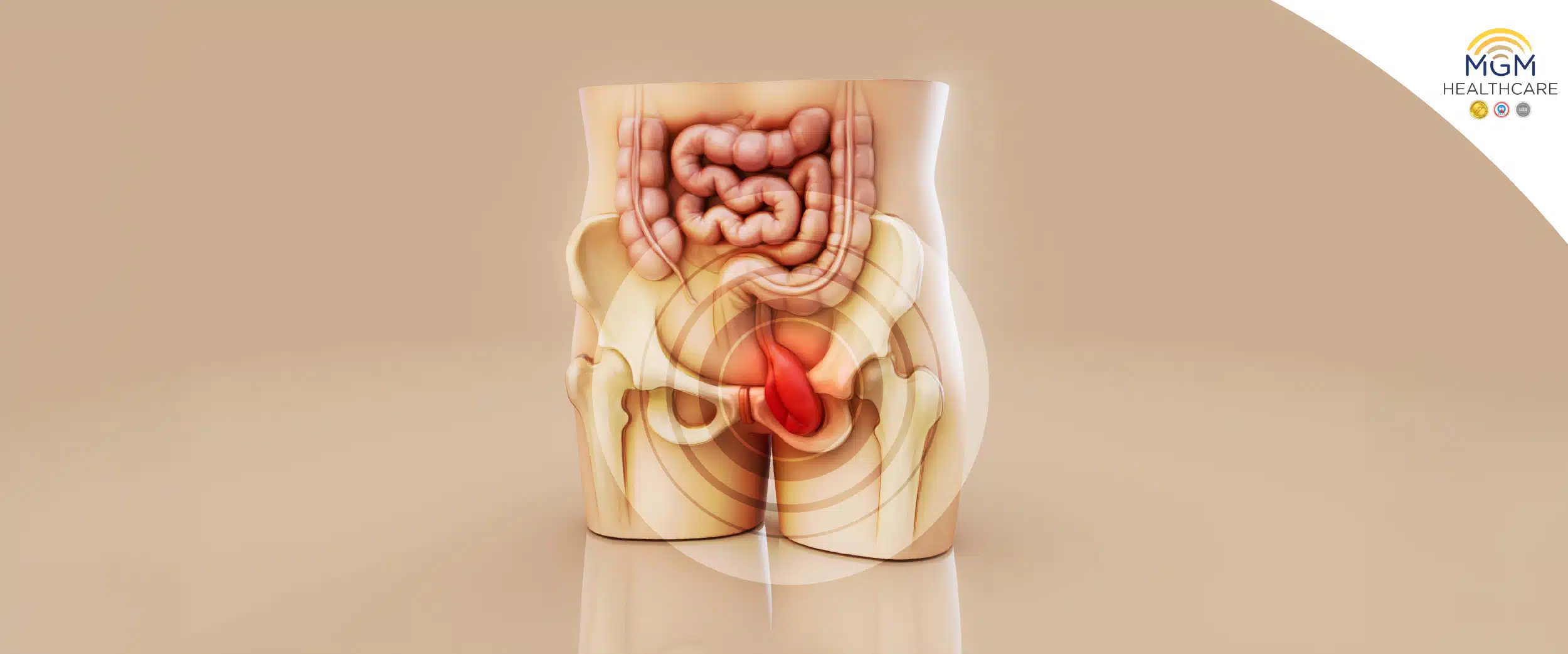
Hernia Symptoms Explained: Early Signs & Warning Signs Hernia Symptoms Explained: Early Signs & Warning Signs

Hernia Symptoms: Early Signs, What It Feels Like & When to See a Doctor Mon , Feb 23

About the Health Information

Our Health information will help you stay up to date on what is happening in health care. We bring you news/information/perspectives around health care innovations, preventive medicine, early diagnosis, nutrition and diet, women’s health, men’s health, children’s health, latest technologies, treatments and surgeries, diseases and conditions, fitness and more.


Popular Posts
Medical Emergency Mon , Dec 27
Shoulder Arthritis and its types

  • A hernia occurs when an organ or tissue pushes through a weak area of muscle, often causing a visible bulge, discomfort or pain. Common hernia symptoms include a lump in the abdomen or groin, a feeling of pressure or heaviness, pain while lifting or coughing, and swelling that becomes more noticeable when standing.

  • Many hernias begin with mild symptoms that are easy to ignore. However, symptoms can gradually worsen over time and may lead to complications if left untreated.

  • Understanding the early signs of a hernia, what hernia pain feels like and when to seek medical care can help ensure timely diagnosis and treatment.

    Medically reviewed by hernia specialists at MGM Healthcare.

Quick Answer

  • Common hernia symptoms include:

    • A visible bulge or lump
    • Pain or discomfort in the abdomen or groin
    • A feeling of pressure or heaviness
    • Pain while lifting, coughing or straining
    • Swelling that becomes more noticeable when standing
    • A pulling, aching or burning sensation

    If a hernia becomes painful, firm, swollen or cannot be pushed back in, seek medical attention immediately.

What Are the Symptoms of a Hernia?

  • Hernia symptoms can vary depending on the type and size of the hernia.

    Common symptoms of a hernia include:

    • A visible bulge beneath the skin
    • Pain or discomfort in the affected area
    • A feeling of pressure or heaviness
    • Swelling that appears while standing
    • Pain during lifting, coughing or bending
    • A burning or aching sensation

  • Some people notice symptoms only during physical activity, while others experience discomfort throughout the day.

What Are the Early Signs of a Hernia?

  • Early hernia symptoms are often mild and may come and go.

    Some of the first signs include:

    • A small lump that appears while standing
    • Mild discomfort in the groin or abdomen
    • A feeling that something is “pulling” inside
    • Pressure after physical activity
    • Pain when lifting heavy objects

    Many people ignore these symptoms because they are not severe initially.

  • However, hernias usually do not improve on their own and may become larger over time.

What Does a Hernia Feel Like?

  • One of the most common questions people ask is:

    “What does a hernia feel like?”

    A hernia may feel like:

    • A soft lump under the skin
    • A feeling of heaviness
    • Pressure in the abdomen or groin
    • A pulling sensation
    • Mild aching discomfort
    • A burning sensation
  • The discomfort often becomes more noticeable when:

    • Standing for long periods
    • Coughing
    • Sneezing
    • Lifting heavy objects
    • Straining during bowel movements

    Some hernias cause very little pain, while others become increasingly uncomfortable as they grow.

Where Does Hernia Pain Usually Occur?

  • The location of pain depends on the type of hernia.

    Pain may occur in:

    • The groin
    • The lower abdomen
    • Around the belly button
    • Near a previous surgical scar
    • The upper abdomen

    Some people describe the pain as dull and aching, while others experience sharp discomfort during activity.


Do Hernia Symptoms Differ by Type?

  • Yes.

    Different types of hernias can cause different symptoms.

    Inguinal Hernia Symptoms

    An inguinal hernia develops in the groin and is the most common type of hernia.

    Symptoms may include:

    • Groin swelling
    • A visible bulge
    • Pain while lifting
    • Discomfort when walking
    • A dragging sensation in the groin


    Umbilical Hernia Symptoms

    An umbilical hernia develops near the belly button.

    Symptoms may include:

    • A bulge around the navel
    • Mild pain or discomfort
    • Swelling that becomes more noticeable when coughing


    Hiatal Hernia Symptoms

    A hiatal hernia affects the upper part of the stomach.

    Common symptoms include:

    • Heartburn
    • Acid reflux
    • Chest discomfort
    • Difficulty swallowing
    • Regurgitation of food or acid

What Causes a Hernia?

  • A hernia develops when tissue pushes through a weakened area of muscle.

    Several factors can increase the risk, including:

    • Heavy lifting
    • Chronic cough
    • Constipation and straining
    • Obesity
    • Pregnancy
    • Aging-related muscle weakness
    • Previous abdominal surgery

    These factors increase pressure inside the abdomen and may contribute to hernia formation.

When Should You Worry About Hernia Symptoms?

  • Not every hernia is an emergency.

    However, certain symptoms should never be ignored.

    Seek urgent medical attention if you notice:

    • Sudden severe pain
    • A bulge that becomes hard or tender
    • Nausea or vomiting
    • Difficulty passing stool or gas
    • Fever with worsening pain
    • A hernia that cannot be pushed back in

    These symptoms may indicate a strangulated hernia, which requires immediate treatment.

Can a Hernia Become Serious?

  • Yes.

    A hernia generally does not heal on its own.

    Without treatment, it may continue to grow and increase the risk of complications.

    Possible complications include:

    • Intestinal blockage
    • Reduced blood supply to trapped tissue
    • Severe pain
    • Infection
    • Emergency surgery

    Early diagnosis often helps avoid these complications.

How Is a Hernia Diagnosed?

  • Doctors usually diagnose a hernia through:

    • Physical examination
    • Medical history review
    • Ultrasound scan
    • CT scan when needed

    Testing helps determine the type of hernia and the most appropriate treatment plan.

How Are Hernias Treated?

  • Treatment depends on the type of hernia, symptoms and risk of complications.

    Options may include:

    • Monitoring small hernias
    • Lifestyle changes
    • Surgical repair

    Modern laparoscopic hernia surgery offers:

    • Smaller incisions
    • Less postoperative discomfort
    • Faster recovery
    • Shorter hospital stay

    A surgeon can recommend the most suitable treatment based on your condition.

Can a Hernia Be Treated Without Surgery?

  • Many people search for home remedies or non-surgical treatments. While lifestyle changes may help reduce discomfort, a hernia does not disappear on its own.

    Helpful measures include:

    • Avoiding heavy lifting
    • Maintaining a healthy weight
    • Preventing constipation
    • Managing chronic cough

    However, surgery remains the definitive treatment for most hernias.

When Should You See a Doctor?

  • Arrange a medical evaluation if:

    • The bulge is increasing in size
    • Pain is becoming more frequent
    • Daily activities are affected
    • You experience nausea or vomiting
    • The hernia becomes difficult to push back in

    Seeking treatment early often allows safer and more effective management.

Expert Insight

  • Dr Deepak Subramanian, Senior Consultant and Clinical Lead, General, Minimal Access (GI) & Bariatric Surgery at MGM Healthcare, specializes in advanced laparoscopic hernia repair and complex abdominal surgeries.

    “Many people delay treatment because early hernia symptoms seem mild. However, hernias usually become larger over time and may lead to complications. Early evaluation allows timely treatment and better outcomes.”

Key Takeaway

  • Hernia symptoms often begin with a small bulge, pressure or mild discomfort. Common signs include swelling, pain while lifting, a feeling of heaviness and a lump that becomes more noticeable when standing.

    If you notice symptoms of a hernia, seeking medical advice early can help prevent complications and ensure timely treatment.

Frequently Asked Questions

What are the first symptoms of a hernia?

A small bulge, mild discomfort, pressure or pain during activity are often among the earliest symptoms.

What does hernia pain feel like?

Hernia pain is often described as a pulling, aching, burning or pressure-like sensation.

How do I know if I have a hernia?

A visible bulge combined with discomfort or pain that worsens during activity may indicate a hernia. A medical examination is needed for confirmation.

Can a hernia disappear on its own?

No. Hernias generally do not heal without medical treatment.

Is every hernia painful?

No. Some hernias cause little discomfort initially, while others become painful as they grow.

When does a hernia become an emergency?

A hernia becomes an emergency if it causes severe pain, vomiting, bowel obstruction symptoms or becomes hard and difficult to push back in.