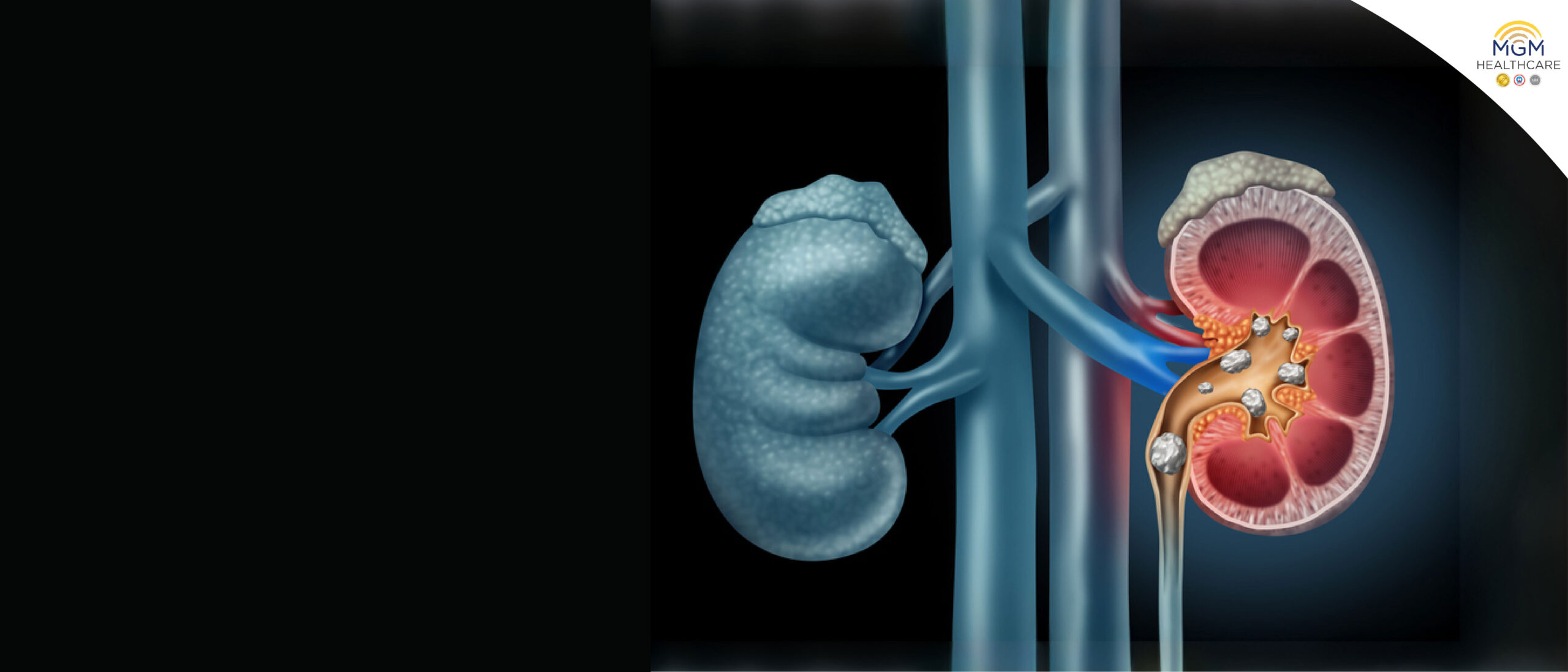
Kidney Stone Symptoms: Diagnosis & Early Treatment Guide Kidney Stone Symptoms: Diagnosis & Early Treatment Guide

Understanding Kidney Stones: Detection, Diagnosis, and Early Care Tue , Aug 5

About the Health Information

Our Health information will help you stay up to date on what is happening in health care. We bring you news/information/perspectives around health care innovations, preventive medicine, early diagnosis, nutrition and diet, women’s health, men’s health, children’s health, latest technologies, treatments and surgeries, diseases and conditions, fitness and more.


Popular Posts
Health Tips Wed , Apr 8
Six daily shoulder exercises for arthritic pain
Medical Emergency Mon , Dec 27
Shoulder Arthritis and its types
Health Tips Wed , Apr 8
Stress and how to beat it
Categories
  • Cancer
  • Cardiac Care
  • Children's Health
  • Covid-19
  • Diabetes
  • ENT
  • Health Emergencies
  • Health Tips
  • Hernia
  • Interventional Pulmonology
  • Kidney Stone
  • Medical Emergency
  • Men's Health
  • Neuro Care
  • Oral Cancer
  • Orthopaedics
  • Spine Care
  • Stroke
  • Transplants
  • Women's Health
  • World Brain Day
  • World Health Day
  • World Hearing Day
  • World Kidney Day
  • World Sleep day
  • World Vaccination Day

What Are Kidney Stones?

  • Kidney stones are hard mineral deposits that form inside the kidneys. They vary in size and can cause severe pain when they pass through the urinary tract.

    These stones are common in adults ages 30–60 and often develop due to dehydration, diet, or genetic factors.

Early Symptoms of Kidney Stones

  • Common signs include:

    • Sharp pain in the lower back, side, or abdomen

    • Pain or burning sensation while urinating

    • Blood in urine

    • Nausea or vomiting

    • Frequent urge to urinate

    • Difficulty passing urine

    Some stones cause no symptoms and are found during routine scans.

Why Kidney Stones Form?

  • Common causes include:

    • Not drinking enough fluids

    • High salt, protein, or oxalate diet

    • Family history of stones

    • Obesity or metabolic disorders

    • Conditions like gout or bowel disease

    Understanding the cause helps prevent future stones.

How Kidney Stones Are Diagnosed

  • Quick diagnosis helps avoid complications.

    Our Kidney Stone Screening Package includes:

    • Ultrasound KUB
      Detects stones, swelling, or blockages.

    • Urine Test
      Identifies crystals, infection, or blood.

    • Renal Function Test (RFT)
      Evaluates how well the kidneys are performing.

    • Uric Acid & Calcium Levels
      High levels may increase the risk of stone formation.

    • Free Doctor Consultation
      Review results and receive a personalized treatment plan.

Treatment Options for Kidney Stones

  • Non-Surgical Treatments:

    • Drink plenty of water to flush small stones

    • Pain-relief medication

    • Dietary adjustments

    • Follow-up scans to monitor stone movement

    Surgical/Advanced Options:

    • Lithotripsy (ESWL): Breaks stones using shockwaves

    • Endoscopic removal: For large or obstructive stones

When to Seek Medical Help

  • If you have any of the following symptoms, you should see a doctor right away:

    • Severe or persistent abdomen or back pain
    • Blood in your urine
    • Pain with fever and chills
    • Nausea or vomiting with pain
    • Trouble passing urine

    Finding out about a problem early with the help of a kidney specialist in Chennai can prevent complications like infections or long-term kidney damage.

Preventing Kidney Stones

  • Long-term lifestyle changes reduce recurrence:

    • Drink 2–3 liters of water daily

    • Reduce salt and red meat

    • Limit oxalate-rich foods

    • Maintain a healthy weight

    • Monitor calcium intake

    • Regular follow-ups with a kidney specialist

Conclusion

  • Kidney stones can be painful, but early detection and the right care make treatment easier and more effective. By understanding the symptoms, knowing when to seek help, and choosing timely diagnostic tests, you can prevent complications and protect your kidney health.

    If you’re experiencing any signs of kidney stones, our specialists at MGM Healthcare are here to help with quick diagnosis and personalized treatment.

    📞 Call 044-4524 2407 to book your kidney stone screening today.

Frequently Asked Questions (FAQ)

What are the early signs of kidney stones?

Early signs include sharp pain in the back or side, pain during urination, blood in urine, nausea, vomiting, and a frequent urge to urinate.

How are kidney stones formed?

Kidney stones form when minerals and salts in the urine crystallize due to dehydration, diet imbalances, or metabolic conditions.

Are kidney stones dangerous?

Most stones are not life-threatening, but untreated stones can cause infection, blockage, severe pain, or long-term kidney damage.

How are kidney stones treated?

Small stones may pass naturally with hydration and medication. Larger stones may require lithotripsy (shock wave therapy) or minimally invasive procedures.

Can kidney stones go away on their own?

Yes, small stones can pass on their own. Larger stones usually need medical treatment to avoid complications like infection or urinary blockage.