Knee Pain at Different Ages: Causes and Warning Signs Knee Pain at Different Ages: Causes and Warning Signs

Knee Pain at Different Ages: Causes, Warning Signs and When to Get Help Thu , Oct 29

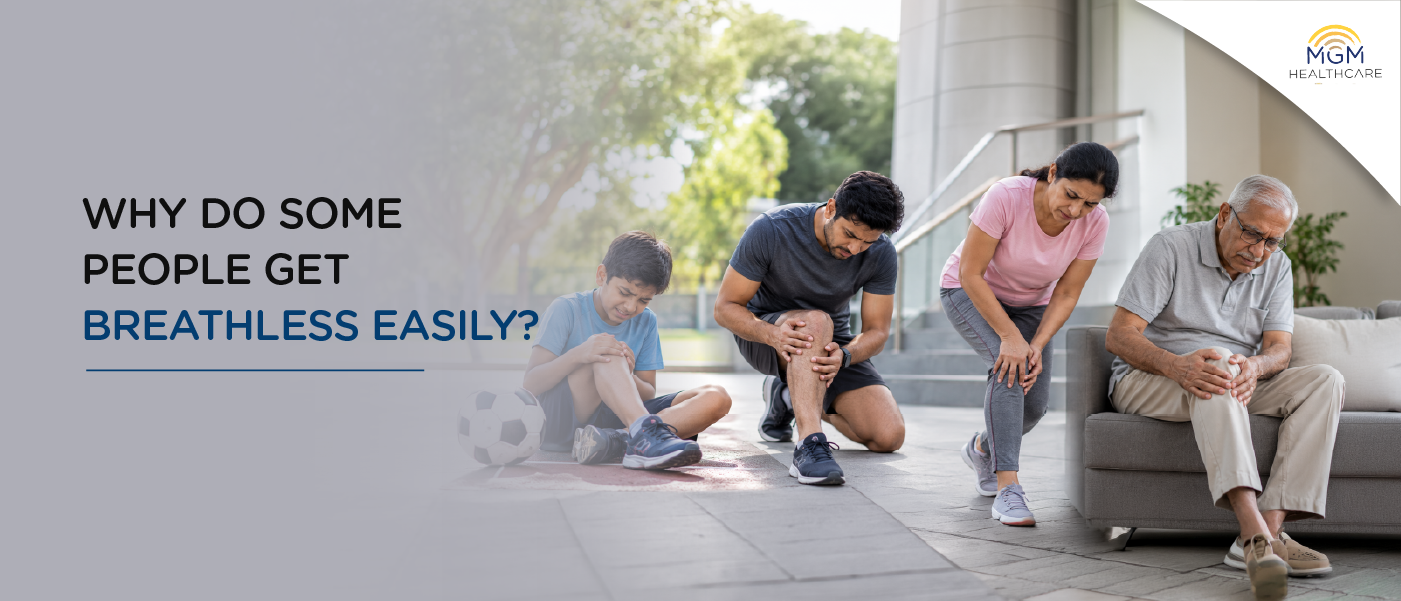
Knee pain can start at any age. In children and young adults, it is often associated with growth-related conditions, sports injuries or overuse. In adults over 40, joint changes, previous injuries and muscle weakness may contribute to discomfort. Although some knee conditions become more common with age, persistent pain is not something you should automatically consider a normal part of ageing.

Understanding the causes of knee pain at different ages can help you recognise warning signs, protect your joint health and know when to consult an orthopaedic specialist.

At What Age Does Knee Pain Start?

There is no fixed age at which knee pain begins. It can affect children, teenagers, young adults and older people. The possible causes vary depending on physical activity, previous injuries, joint health and other medical conditions.

Here is a quick overview:

Age group Common causes of knee pain
Children and teenagers Growth-related conditions, sports injuries and overuse
Young adults Ligament injuries, meniscus tears and kneecap-related pain
Adults in their 40s and 50s Early osteoarthritis, previous injuries and muscle weakness
Adults over 60 Osteoarthritis and other joint conditions

What Causes Knee Pain at Different Ages?

The knee is a complex joint supported by bones, cartilage, ligaments, tendons and muscles. Pain can develop when any of these structures are injured, irritated or affected by an underlying condition.

1. Knee Pain in Children and Teenagers

Knee pain in children and teenagers is often associated with sports, physical activity and periods of rapid growth.

Common causes include:

  • Osgood-Schlatter disease: This condition causes pain and swelling around the bony area just below the kneecap. It commonly affects physically active adolescents during growth.
  • Sports injuries: Running, jumping, twisting and sudden changes in direction can cause injuries to the ligaments, cartilage or other knee structures.
  • Overuse injuries: Repeated physical activity without sufficient recovery may irritate tendons and surrounding tissues.
  • Patellofemoral pain: Pain around or behind the kneecap that may become worse during running, squatting or climbing stairs.

When to seek help: Consult a healthcare professional if knee pain causes limping, significant swelling, difficulty bearing weight or persistent discomfort that affects normal activities.

2. Knee Pain in Young Adults

Young adults may experience knee pain because of sports, exercise, occupational activities or previous injuries.

Common causes include:

  • ACL injuries: The anterior cruciate ligament may be damaged during sudden stops, twisting movements or changes in direction.
  • Meniscus tears: The meniscus is cartilage that helps cushion the knee joint. A tear can cause pain, swelling, catching or difficulty moving the knee.
  • Patellofemoral pain syndrome: This causes pain around or behind the kneecap, particularly during activities such as running, squatting and climbing stairs.
  • Tendon problems: Repeated jumping, running or strenuous exercise can irritate the tendons around the knee.

Continuing intense physical activity despite pain may aggravate an injury. Persistent pain, swelling or a feeling that the knee is unstable should be assessed.

3. Knee Pain in Your 40s and 50s

Knee pain may become more common during middle age. However, it is not always caused by ageing.

Possible causes include:

  • Osteoarthritis: Changes in the joint cartilage and surrounding structures can cause pain, stiffness and difficulty moving the knee.
  • Previous knee injuries: Earlier ligament, cartilage or meniscus injuries may contribute to joint problems later in life.
  • Muscle weakness: Reduced strength in the muscles supporting the knee can affect joint function and movement.
  • Weight-related stress: Excess body weight can increase the load placed on the knee joints.
  • Repetitive physical strain: Frequent kneeling, squatting, climbing stairs or prolonged standing may aggravate knee discomfort.

Some people experience stiffness after sitting for a long time or discomfort when getting up from a chair. These symptoms can have several causes and should not automatically be attributed to osteoarthritis.

If knee pain keeps returning or affects your daily activities, an orthopaedic assessment can help identify the underlying condition.

4. Knee Pain in Older Adults

Knee pain becomes more common in older adults, particularly because conditions such as osteoarthritis are more prevalent with increasing age.

Common causes include:

  • Osteoarthritis: A joint condition that can cause pain, stiffness, swelling and reduced mobility.
  • Rheumatoid arthritis: An autoimmune condition that causes joint inflammation and may affect the knees.
  • Reduced muscle strength: Weakness in the muscles around the knee can affect stability, balance and movement.
  • Previous injuries: Earlier injuries may contribute to joint problems as a person gets older.

People with knee osteoarthritis may experience discomfort while walking, climbing stairs or standing for extended periods. Some also experience stiffness after periods of inactivity.

However, knee pain should not be dismissed as an unavoidable part of ageing. Appropriate assessment and treatment can help manage symptoms and maintain mobility.

How Do You Know Whether Knee Pain Is Serious?

Occasional discomfort after exercise or prolonged physical activity may improve with appropriate rest and activity modification. However, persistent, worsening or severe knee pain may indicate an underlying condition.

Watch for these symptoms:

  • Pain that continues or repeatedly returns.
  • Swelling, redness or warmth around the knee.
  • Stiffness that makes bending or straightening the knee difficult.
  • Pain while walking, climbing stairs or standing.
  • A feeling that the knee may give way.
  • Locking or difficulty moving the knee.
  • Pain that affects sleep or everyday activities.

When Should You Seek Urgent Medical Attention?

Seek prompt medical assessment if:

  • You cannot put weight on the affected leg or move the knee.
  • The knee is severely swollen or has changed shape.
  • The knee locks or gives way following an injury.
  • You have a hot, red knee accompanied by fever or feeling unwell.

A hot, swollen joint with fever can indicate an infection and requires urgent medical evaluation.

How Is Knee Pain Diagnosed?

The appropriate treatment depends on identifying the cause of the pain. An orthopaedic doctor may recommend a combination of medical history, physical examination and investigations.

1. Medical History

The doctor will ask about when the pain started, where it occurs, what makes it worse and whether you have experienced any previous knee injuries or medical conditions.

2. Physical Examination

The knee may be examined for swelling, tenderness, movement, alignment and stability. The doctor may also assess how you walk and move the joint.

3. X-ray

An X-ray may help identify changes in the bones and joint space, including findings associated with osteoarthritis.

4. MRI Scan

An MRI may be recommended when the doctor needs to examine soft tissues such as ligaments, menisci, tendons and cartilage.

5. Additional Tests

Blood tests or joint fluid analysis may be recommended if an inflammatory condition, infection or another underlying problem is suspected.

Not everyone needs every investigation. The doctor selects tests based on the symptoms and clinical examination.

What Are the Treatment Options for Knee Pain?

Treatment depends on the underlying condition, severity of symptoms, age, activity level and overall health. Not every person with knee pain needs surgery.

Common treatment approaches include:

1. Activity Modification

Temporarily reducing activities that aggravate knee pain may help. Your doctor or physiotherapist can guide you on suitable movements and when to gradually return to normal activities.

2. Physiotherapy and Exercises

A physiotherapist may recommend exercises to strengthen the quadriceps, hamstrings and other supporting muscles. Appropriate exercises can help improve flexibility, movement and joint function.

3. Medication

Depending on the diagnosis, a doctor may recommend suitable pain-relieving or anti-inflammatory medication. The choice of medicine should consider your medical history, other medications and potential side effects.

4. Weight Management

For people with excess body weight, gradual weight reduction may help reduce the load placed on the knee joints and support mobility.

5. Injections

Certain injections may be considered for selected patients depending on the underlying joint condition. Their suitability, expected benefits and limitations should be discussed with an orthopaedic specialist.

6. Knee Replacement Surgery

For people with advanced knee osteoarthritis, persistent pain and significant limitations in daily activities, knee replacement surgery may be considered when appropriate non-surgical treatments have not provided sufficient relief.

The decision depends on symptoms, joint condition, overall health and individual treatment goals. Surgery is not necessary for every person with knee pain or osteoarthritis.

How Can You Protect Your Knees as You Age?

Healthy habits can support knee function and help reduce avoidable strain.

Stay physically active: Choose suitable activities such as walking, swimming or cycling, depending on your ability and medical advice.

Strengthen supporting muscles: Follow appropriate exercises for the quadriceps, hamstrings and surrounding muscles.

Maintain a healthy weight: Managing body weight can help reduce stress on the knee joints.

Warm up before exercise: Prepare your muscles and joints before more intense physical activity.

Use proper techniques: Pay attention to posture and movement during exercise, lifting and daily activities.

Allow recovery time: Avoid repeatedly placing excessive strain on your knees without sufficient recovery.

Address injuries early: Seek appropriate assessment if you experience persistent pain, swelling or instability.

If you already have a knee condition, choose exercises with guidance from your doctor or physiotherapist rather than following a general exercise routine.

Meet Our Orthopaedic Specialist at MGM Healthcare

Dr Govindaraj AB

Director and Senior Consultant – Orthopaedics

Dr Govindaraj AB has over 35 years of experience in orthopaedics. He completed his MBBS at the University of Madras and obtained his FRCS from Glasgow. He also underwent eight years of orthopaedic and joint replacement training in the UK.

His experience includes more than 10,000 surgeries, including over 3,000 joint replacement surgeries. His areas of special interest include joint replacement, particularly bilateral knee replacement.

Patients experiencing persistent knee pain can consult an orthopaedic specialist to understand the cause of their symptoms and discuss suitable treatment options.

View Dr Govindaraj AB’s Profile

Get the Right Care for Your Knee Pain

Knee pain can have different causes at different stages of life. Identifying the underlying condition is important for choosing an appropriate treatment plan and maintaining mobility.

If knee pain is affecting your daily activities, consult an orthopaedic specialist at MGM Healthcare for an evaluation and personalised treatment guidance.

Book an Appointment at MGM Healthcare

Medical References

This article is for general health information and does not replace an individual medical consultation.

Frequently Asked Questions

1. Is knee pain a normal part of ageing?

Knee pain becomes more common with age, but persistent or worsening symptoms should not be dismissed. Conditions such as osteoarthritis can be assessed and managed.

2. Can exercise cause knee pain?

Yes. Repetitive movements, sudden increases in training and sports injuries can cause knee discomfort. Pain that persists or limits movement should be assessed.

3. Does excess body weight contribute to knee pain?

Excess body weight can increase the load on the knee joints and contribute to symptoms. Weight management may help some people, particularly those with osteoarthritis.

4. Does knee pain always require surgery?

No. Many knee conditions can be managed with physiotherapy, activity changes and other non-surgical treatments. Surgery is considered for selected injuries or advanced joint disease.

5. When should I see an orthopaedic doctor?

Arrange an appointment if knee pain keeps returning, affects walking, causes persistent swelling or stiffness, or makes the knee feel unstable. Seek urgent care for the warning signs described above.

Enquire Now

Fill the form and our team will get back to you within 24 hours