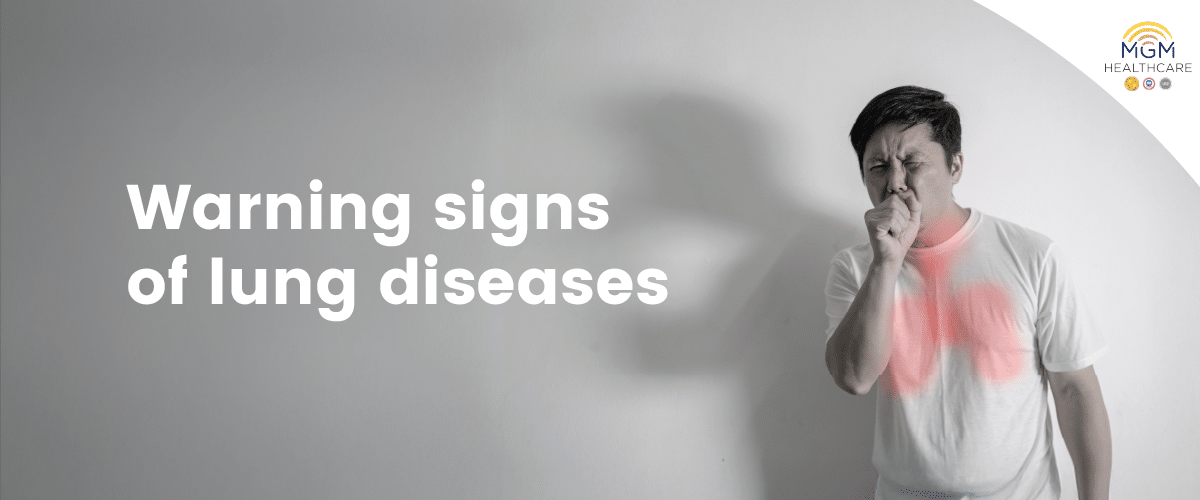
Cough and Breathlessness: Common Causes, Symptoms & Treatment Cough and Breathlessness: Common Causes, Symptoms & Treatment

Persistent Cough and Breathlessness: Causes, Warning Signs & When to See a Doctor Mon , Mar 23

About the Health Information

Our Health information will help you stay up to date on what is happening in health care. We bring you news/information/perspectives around health care innovations, preventive medicine, early diagnosis, nutrition and diet, women’s health, men’s health, children’s health, latest technologies, treatments and surgeries, diseases and conditions, fitness and more.


Popular Posts
Medical Emergency Mon , Dec 27
Shoulder Arthritis and its types

Quick Facts

    • A cough with breathlessness is not always caused by a simple cold.
    • Asthma, lung infections, allergies, COPD, and other lung conditions may cause both symptoms.
    • If your cough lasts for more than three weeks or breathing becomes difficult, medical evaluation is important.
    • Early treatment may help prevent complications and improve recovery.

Introduction

    • Have you been coughing for several days and noticed that breathing feels harder than usual?
    • A cough and shortness of breath often occur together, especially during respiratory illnesses. While these symptoms are sometimes caused by a viral infection, they can also be linked to asthma, allergies, lung infections, or other breathing disorders.
    • Knowing what your symptoms could mean helps you decide when to seek medical care.

Why Do Cough and Breathlessness Happen Together?

    • A cough helps clear mucus, dust, or irritants from your airways. Swelling or narrowing of the airways can make it harder to breathe comfortably.
    • In many cases, both symptoms are caused by the same underlying condition rather than one causing the other.
    • If the symptoms continue or become worse, they should not be ignored.

Common Causes of Cough and Breathlessness

  • Asthma
    Asthma causes inflammation of the airways, making breathing difficult. Many people also experience coughing, wheezing, or chest tightness.

    Lung Infections
    Chest infections such as pneumonia or bronchitis may lead to a persistent cough, fever, and difficulty breathing.

    Chronic Obstructive Pulmonary Disease (COPD)
    COPD commonly affects smokers and may cause a long-term cough, breathlessness, and reduced exercise tolerance.

    Allergies
    Exposure to dust, pollen, smoke, or other allergens may trigger coughing and make breathing uncomfortable.

    Post-Viral Illness
    Some people continue to experience coughing and breathlessness for several weeks after recovering from a viral infection, including COVID-19.

What Symptoms Should You Watch For?

  • Seek medical advice if you notice:

    • A cough lasting longer than three weeks
    • Shortness of breath during normal activities
    • Wheezing
    • Chest tightness
    • Frequent chest infections
    • Persistent tiredness
    • Coughing up blood

    These symptoms may require further evaluation.

Can a Cough Cause Shortness of Breath?

  • Sometimes.
    Frequent coughing can temporarily make breathing feel more difficult. However, when cough and breathlessness occur together for several days or weeks, an underlying lung condition is often responsible.
    Finding the cause early can help guide the right treatment.

How Can You Protect Your Lung Health?

  • Simple daily habits can support healthy lungs.

    • Avoid smoking and second-hand smoke.
    • Stay physically active.
    • Drink enough water.
    • Get recommended vaccinations.
    • Reduce exposure to dust and pollution.
    • Keep your asthma or COPD under control with regular medical care.

    Looking after your lungs every day supports healthier breathing.

When Should You See a Doctor?

  • Arrange a medical evaluation if you:

    • Continue coughing for more than three weeks
    • Feel breathless while walking or climbing stairs
    • Wake up at night because of coughing
    • Develop chest pain
    • Notice blood while coughing
    • Experience repeated chest infections

    Getting your symptoms checked early can help identify the cause and guide appropriate treatment.

Key Takeaways

    • Cough and breathlessness often occur together because of an underlying lung condition.
    • Asthma, infections, allergies, and COPD are common causes.
    • Persistent symptoms should not be ignored.
    • Early medical advice can help improve recovery and protect long-term lung health.

Conclusion

  • A cough that doesn’t improve or breathing that becomes increasingly difficult should never be ignored. While some cases improve with time, persistent cough and breathlessness may be signs of a condition that needs medical attention.

  • Speaking with a lung specialist can help identify the cause and ensure you receive the right care before symptoms become more serious.

Should You Get Your Lungs Checked Now?

  • You should seek evaluation if:

    • You have a persistent cough
    • You experience breathlessness after minimal activity
    • You have repeated hospital visits
    • Your inhalers are not effective
    • You continue to have breathing issues after COVID

    Early testing helps detect problems before they become serious.


Frequently Asked Questions (FAQs)

Can a cough cause shortness of breath?

Most tests can be completed within a few hours to one day, depending on complexity.

Why do I have a cough and breathing difficulty?

Common causes include asthma, lung infections, allergies, COPD, and other respiratory conditions.

When should I worry about a cough and breathlessness?

Seek medical advice if your cough lasts longer than three weeks, breathing becomes difficult, or you experience chest pain, wheezing, or coughing up blood.

Can allergies cause cough and breathlessness?

Yes. Allergies may irritate the airways, leading to coughing, wheezing, and shortness of breath in some people.

Can these symptoms improve with treatment?

Yes. Once the underlying cause is identified, many people notice significant improvement with the right treatment and lifestyle measures.