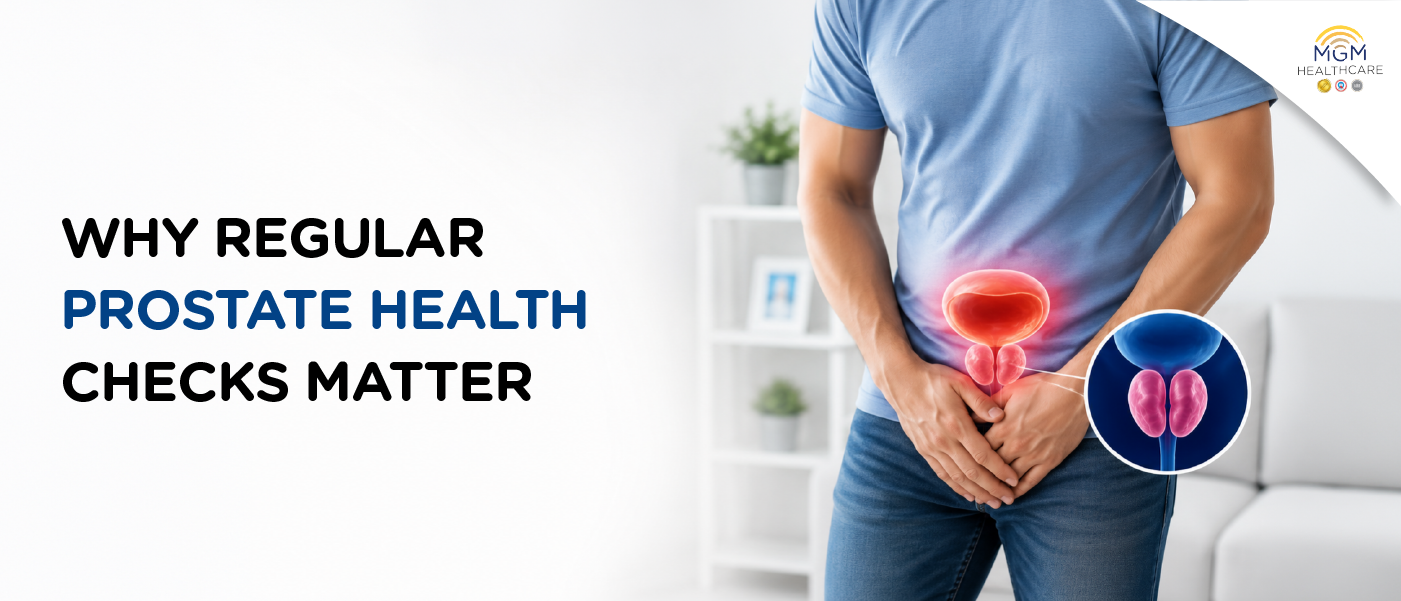
Men Over 40: Why Regular Prostate Health Checks Matter Men Over 40: Why Regular Prostate Health Checks Matter

Men Over 40: Why Regular Prostate Health Checks Matter Thu , Jul 30

About the Health Information

Our Health information will help you stay up to date on what is happening in health care. We bring you news/information/perspectives around health care innovations, preventive medicine, early diagnosis, nutrition and diet, women’s health, men’s health, children’s health, latest technologies, treatments and surgeries, diseases and conditions, fitness and more.


Popular Posts
Medical Emergency Mon , Dec 27
Shoulder Arthritis and its types

Quick Facts

    • Prostate problems become more common after the age of 40.
    • Many prostate conditions develop without noticeable symptoms.
    • Regular prostate health checks can help detect problems early.
    • Frequent urination, a weak urine stream, or difficulty passing urine should not be ignored.
    • Early diagnosis improves treatment options and supports long-term prostate health.

Introduction

  • As men age, maintaining prostate health becomes an important part of overall well-being. While many prostate conditions are non-cancerous, they can affect urinary function, sleep, and quality of life if left untreated.

    The good news is that many prostate problems can be detected early through regular prostate health checks. Understanding the warning signs, knowing when to get screened, and seeking timely medical advice can help identify problems before they become more serious.

What Is the Prostate?

  • How do I know if my prostate is healthy?

    A healthy prostate usually does not cause urinary symptoms. If you experience frequent urination, difficulty passing urine, a weak urine stream, blood in the urine, or pelvic discomfort, it is important to consult a urologist. Men over 40, especially those with a family history of prostate disease, should discuss regular prostate health checks with their doctor.

Who Is This Guide For?

  • This guide is helpful if you:

    • Are over 40 years of age.
    • Want to know if your prostate is healthy.
    • Have frequent urination or changes in urine flow.
    • Have a family history of prostate disease.
    • Are planning a prostate health check-up.
    • Want to reduce your risk of prostate problems as you age.

What is the Prostate?

  • The prostate is a small walnut-sized gland located below the bladder and around the urethra in men. It produces fluid that forms part of semen and helps nourish and transport sperm.

    As men grow older, the prostate naturally changes. While these changes are often harmless, some can lead to urinary symptoms or require medical attention. Knowing how the prostate functions can help you recognise when something isn’t quite right.

What Happens to the Prostate After 40?

  • After the age of 40, the prostate gradually enlarges in many men due to natural hormonal changes. This condition, known as Benign Prostatic Hyperplasia (BPH), is not cancer but can press against the urethra and affect the normal flow of urine.

  • Some men may notice frequent urination, difficulty starting urination, waking up several times at night to urinate, or a weak urine stream. These symptoms should not be ignored, as similar symptoms can also occur with prostatitis or prostate cancer. Regular prostate health checks help identify the underlying cause and determine whether treatment or monitoring is needed.

Why Are Prostate Health Checks Important?

  • Many prostate conditions develop gradually and may not cause obvious symptoms during the early stages. A prostate health check helps detect changes before they begin to affect your daily life or become more difficult to treat.

    Regular screening may help identify:

    Early evaluation allows your doctor to recommend the most appropriate treatment, monitor your condition if necessary, and support better long-term prostate health.

Healthy Prostate vs Possible Prostate Problem

  • Healthy Prostate Possible Prostate Problem
    Comfortable urination Frequent urination
    Strong urine flow Weak or interrupted urine stream
    No pain while urinating Burning or pain during urination
    No blood in the urine Blood in the urine
    No pelvic discomfort Pelvic pain or discomfort
    Complete bladder emptying Feeling that the bladder is not fully empty

What Symptoms Should You Watch For?

  • Arrange a medical evaluation if you notice:

    • Frequent urination, especially at night
    • Difficulty starting urination
    • Weak or interrupted urine stream
    • Feeling that the bladder is not empty after urinating
    • Pain or burning while passing urine
    • Blood in the urine
    • Pain in the lower abdomen, pelvis, or lower back

    These symptoms do not always indicate prostate cancer, but they should always be assessed by a healthcare professional to identify the underlying cause.

How Is Prostate Health Checked?

  • Your doctor will recommend the most appropriate tests based on your age, symptoms, medical history, and individual risk factors.

    A prostate health assessment may include:

    • Medical history and symptom review
    • Physical examination
    • Digital Rectal Examination (DRE)
    • PSA (Prostate-Specific Antigen) blood test
    • Ultrasound, if required
    • MRI or additional imaging when clinically indicated

    These investigations help evaluate prostate health, identify possible abnormalities, and guide personalised treatment.

Can Prostate Problems Be Prevented?

  • Although not every prostate condition can be prevented, healthy lifestyle habits may help reduce the risk of urinary problems and support long-term prostate health.

    You can help protect your prostate by:

Why Choose MGM Healthcare for Prostate Care?

  • At MGM Healthcare, our experienced urologists provide comprehensive evaluation, diagnosis, and treatment for a wide range of prostate conditions. Using advanced diagnostic technology and a patient-centered approach, we focus on early detection, accurate diagnosis, and personalised treatment plans.

    Our prostate care services include:

    • Comprehensive prostate health assessments
    • PSA blood testing
    • Digital Rectal Examination (DRE)
    • Advanced diagnostic imaging
    • Evaluation and treatment of Benign Prostatic Hyperplasia (BPH)
    • Prostatitis management
    • Prostate cancer evaluation
    • Minimally invasive urological procedures
    • Personalised follow-up and long-term care

    Our multidisciplinary team is committed to helping men maintain good prostate health through evidence-based treatment and ongoing support.

Key Takeaways

    • Prostate problems become more common after the age of 40.
    • Many prostate conditions develop without noticeable symptoms.
    • Frequent urination or changes in urine flow should not be ignored.
    • Regular prostate health checks help detect problems early.
    • Healthy lifestyle habits and routine medical check-ups support long-term prostate health.
    • MGM Healthcare provides comprehensive prostate evaluation and personalised urology care.


Book an Appointment

  • If you’re over 40 or have noticed changes in your urinary health, don’t ignore the signs.

    Schedule a prostate health assessment with the experienced urology specialists at MGM Healthcare. Early evaluation can help detect prostate conditions sooner, recommend the right treatment, and support better long-term urinary and prostate health.

Frequently Asked Questions

How do I know if my prostate is healthy?

A healthy prostate usually does not cause urinary symptoms. Frequent urination, weak urine flow, blood in the urine, or pelvic discomfort should be evaluated by a urologist.

At what age should men start prostate health checks?

Men over 40 should discuss prostate health with their doctor, especially if they have urinary symptoms or a family history of prostate disease.

What are the early signs of prostate problems?

Common signs include frequent urination, difficulty starting urination, a weak urine stream, waking up often at night to urinate, burning during urination, and blood in the urine.

What happens during a prostate health check-up?

A prostate health check-up may include a medical history review, physical examination, Digital Rectal Examination (DRE), PSA blood test, and imaging tests such as ultrasound or MRI if required.

Can prostate problems be treated?

Yes. Many prostate conditions, including Benign Prostatic Hyperplasia (BPH), prostatitis, and prostate cancer, can be managed effectively. Early diagnosis often provides more treatment options and better outcomes.

Enquire Now

Fill the form and our team will get back to you within 24 hours