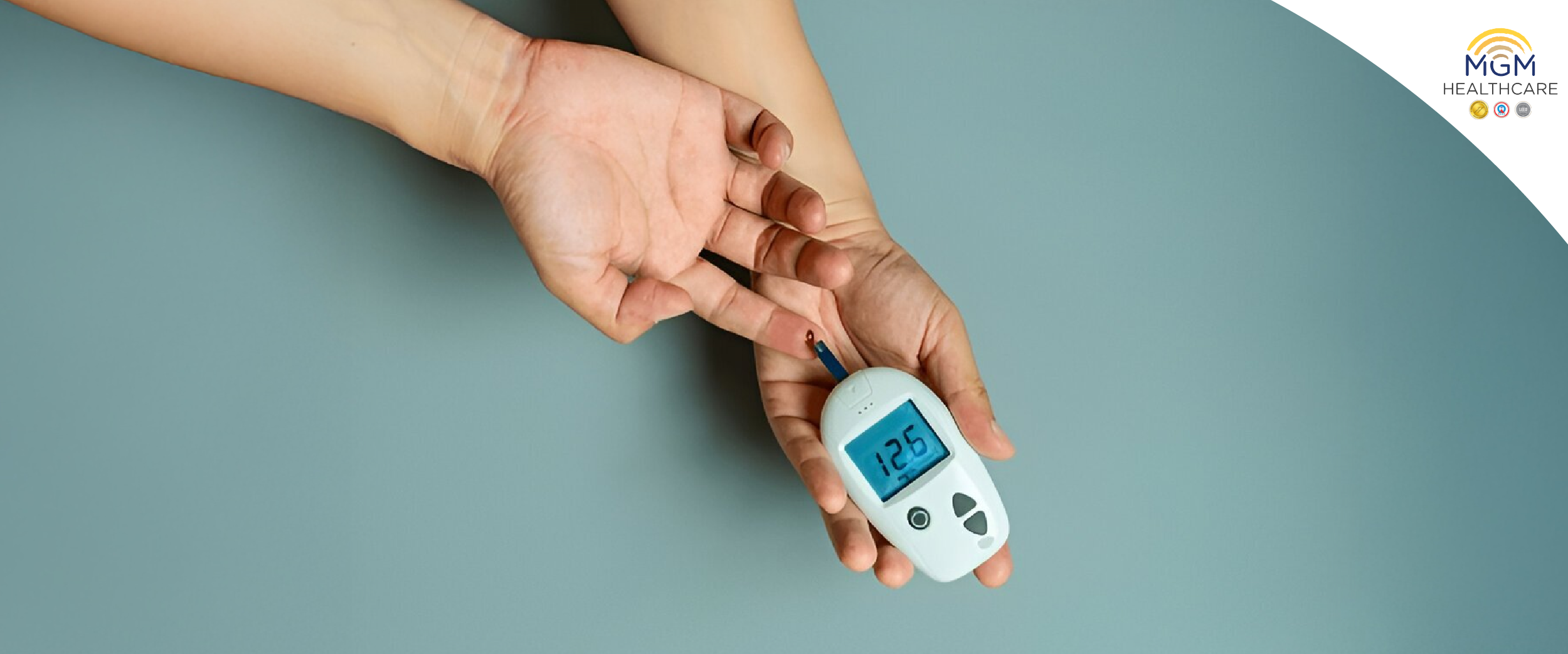
Diabetes Symptoms: Early Signs, Causes & When to Get Tested Diabetes Symptoms: Early Signs, Causes & When to Get Tested

Diabetes Symptoms: Early Warning Signs You Shouldn't Ignore Mon , Dec 1

About the Health Information

Our Health information will help you stay up to date on what is happening in health care. We bring you news/information/perspectives around health care innovations, preventive medicine, early diagnosis, nutrition and diet, women’s health, men’s health, children’s health, latest technologies, treatments and surgeries, diseases and conditions, fitness and more.


Popular Posts
Medical Emergency Mon , Dec 27
Shoulder Arthritis and its types

Quick Facts

    • Frequent thirst and urination are common signs of diabetes.
    • Feeling tired all the time may be linked to high blood sugar.
    • Some people have diabetes without obvious symptoms.
    • A simple blood test can help diagnose diabetes.
    • Early treatment can help prevent complications.

Introduction

  • Diabetes often develops gradually, and the early symptoms are easy to overlook. Feeling thirsty more often, waking up at night to urinate, or feeling tired every day may not seem serious at first. However, these changes can sometimes be early signs of diabetes. Recognising them early and getting tested can help you start treatment before complications develop.

Quick Answer

  • The most common symptoms of diabetes are frequent urination, increased thirst, constant hunger, tiredness, blurred vision, slow-healing wounds, and unexplained weight loss. If you notice several of these symptoms together, consult a doctor and consider getting your blood sugar tested.

Who Is This Guide For?

  • This guide is helpful if you:

    • Feel thirsty more often than usual
    • Urinate frequently, especially at night
    • Feel tired without a clear reason
    • Have a family history of diabetes
    • Want to understand the early warning signs of diabetes

What Is Diabetes?

  • Diabetes is a condition in which the body cannot properly control blood sugar (glucose).

    This happens when:

    • The body does not produce enough insulin, or
    • The body cannot use insulin effectively.

    As a result, sugar builds up in the bloodstream instead of being used for energy.

What Are the Early Symptoms of Diabetes?

  • Early symptoms can appear gradually and may include:

    • Frequent urination
    • Increased thirst
    • Feeling hungry more often
    • Constant tiredness
    • Blurred vision
    • Slow-healing cuts or wounds
    • Unexplained weight loss
    • Frequent infections

    If you notice more than one of these symptoms, it is a good idea to speak with your doctor.

Can Diabetes Develop Without Symptoms?

  • Yes. Some people, especially those with Type 2 diabetes, may not notice symptoms in the early stages. Diabetes is often found during a routine health check or blood test.

Do Diabetes Symptoms Differ in Men and Women?

  • Many symptoms are the same in both men and women.

    Common symptoms include:

    • Frequent urination
    • Increased thirst
    • Fatigue
    • Blurred vision

    Women may also experience:

    • Frequent yeast infections
    • Urinary tract infections

    Men may also notice:

    • Low energy levels
    • Erectile dysfunction

What Causes Diabetes?

  • Several factors can increase the risk of diabetes, including:

When Should You Get Tested?

  • You should consider getting tested if you have:

    • Frequent urination
    • Increased thirst
    • Ongoing tiredness
    • Blurred vision
    • Slow-healing wounds
    • Unexplained weight loss
    • A family history of diabetes

    Early testing can help identify diabetes before complications develop.

How Is Diabetes Diagnosed?

  • Doctors may recommend:

    • Fasting Blood Sugar Test
    • HbA1c Test
    • Oral Glucose Tolerance Test

    These tests help measure your blood sugar levels and confirm the diagnosis.

Can Diabetes Be Prevented?

  • Type 1 diabetes cannot currently be prevented.

    However, the risk of Type 2 diabetes may be reduced by:

    • Staying physically active
    • Maintaining a healthy weight
    • Eating balanced meals
    • Limiting sugary foods and drinks
    • Getting enough sleep
    • Managing stress

What Should You Eat If You Have Diabetes?

  • Choose foods such as:

    • Whole grains
    • Fresh vegetables
    • Fruits in moderation
    • Lean protein
    • High-fibre foods

    Limit:

    • Sugary drinks
    • Sweets
    • Refined carbohydrates
    • Fried foods
    • Highly processed snacks

    A balanced diet can help manage blood sugar levels.

When Should You See a Doctor?

  • Arrange a medical consultation if you:

    • Feel thirsty all the time
    • Urinate more often than usual
    • Feel tired every day
    • Notice blurred vision
    • Have wounds that heal slowly
    • Lose weight without trying
    • Have a family history of diabetes and develop these symptoms

    Early diagnosis can help you manage diabetes and reduce the risk of complications.

Key Takeaways

    • Diabetes often develops slowly.
    • Frequent thirst and urination are common warning signs.
    • Some people may have diabetes without noticeable symptoms.
    • A blood test can confirm the diagnosis.
    • Early treatment helps protect your long-term health.

Conclusion

  • Diabetes often begins with small changes that are easy to miss. Feeling thirsty more often, frequent urination, tiredness, or blurred vision may seem minor, but these symptoms should not be ignored.

  • Recognising the early warning signs and getting tested promptly can help detect diabetes before complications develop. If your symptoms continue or you have risk factors such as obesity or a family history of diabetes, consult your doctor for an evaluation.

Frequently Asked Questions

What are the first signs of diabetes?

Frequent urination, increased thirst, tiredness, blurred vision, and constant hunger are among the earliest signs.

Can diabetes develop without symptoms?

Yes. Some people, especially those with Type 2 diabetes, may not notice symptoms until routine testing detects high blood sugar.

How is diabetes diagnosed?

Doctors diagnose diabetes using blood tests such as fasting blood sugar, HbA1c, or an oral glucose tolerance test.

Can diabetes be prevented?

Type 1 diabetes cannot be prevented, but healthy lifestyle habits may help lower the risk of Type 2 diabetes.

Can diabetes cause constant tiredness?

Yes. High blood sugar can affect how your body uses energy, leaving you feeling tired even after getting enough rest.