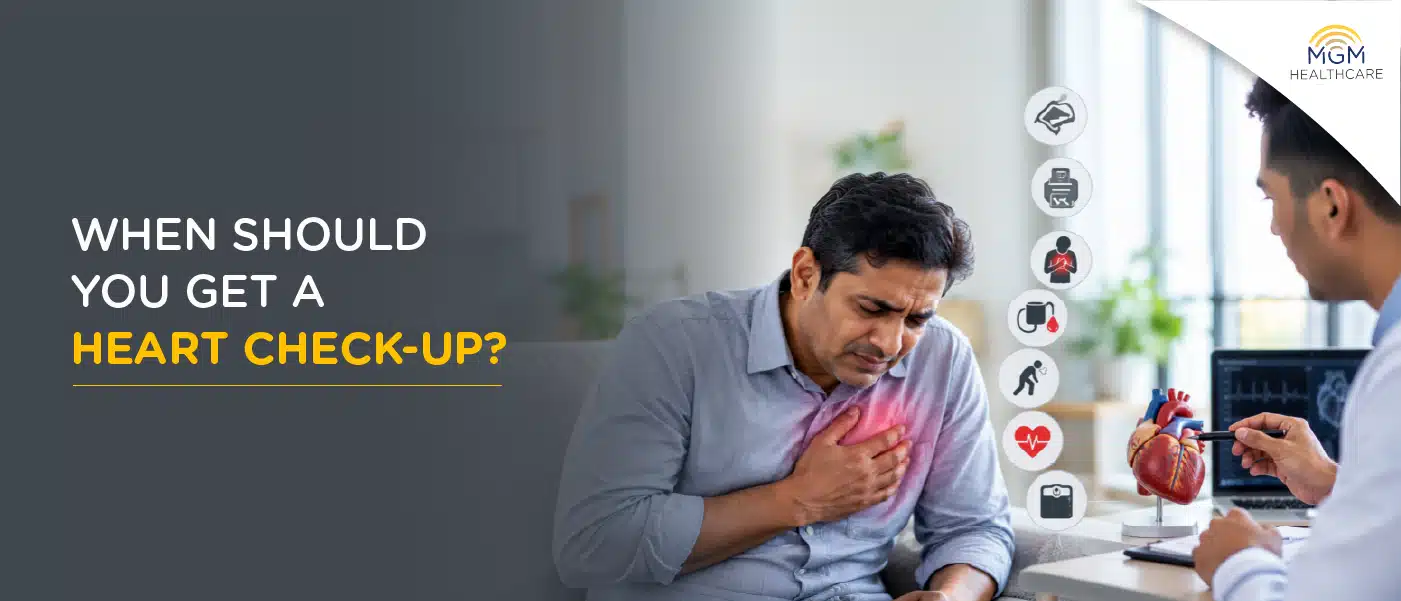
When Should You Get a Heart Check-Up? Warning Signs When Should You Get a Heart Check-Up? Warning Signs

When Should You Get a Heart Check-Up? Warning Signs and Risk Factors Tue , Oct 13

You should consider a heart check-up if you have high blood pressure, diabetes, high cholesterol or a family history of heart disease. You should also seek medical advice if you experience new or unexplained symptoms such as chest discomfort, breathlessness or recurrent palpitations.

You do not need to wait for symptoms to discuss your heart health with a doctor. Some cardiovascular risk factors can develop without noticeable warning signs. A medical assessment helps determine your risk and whether you need any tests.

Important: Sudden chest pressure or pain, severe breathlessness, cold sweating, nausea or faintness may indicate a heart attack. Contact emergency medical services immediately. Do not wait for a routine appointment.

Who Should Get a Heart Check-Up?

A heart health assessment may be particularly important if you have any of the following risk factors:

  • High blood pressure: Often has no obvious symptoms but can damage blood vessels over time.
  • High cholesterol: Certain types of cholesterol can contribute to plaque build-up in the arteries.
  • Diabetes: Increases the risk of cardiovascular disease.
  • Smoking or tobacco use: Damages blood vessels and raises the risk of heart disease.
  • Family history: Heart disease in a close relative, especially at a younger age, may indicate increased risk.
  • Weight and physical activity: Carrying extra weight and being less active may raise the risk of high blood pressure, diabetes and cholesterol problems.
  • Existing heart disease: May require regular monitoring and specialist follow-up.

Your age, medical history and combination of risk factors help determine when you should be assessed and how often you need follow-up. Even if you feel healthy, ask your doctor which preventive checks are appropriate for you.

Warning Signs You Should Not Ignore

Heart-related symptoms can sometimes resemble indigestion, stress or ordinary tiredness. The following symptoms deserve attention, particularly when they are new, unexplained or worsening.

Chest Pain or Discomfort

Heart-related discomfort may feel like pressure, tightness, squeezing or heaviness in the chest. It may also spread to the arms, shoulders, back, neck or jaw.

Chest discomfort accompanied by sweating, nausea, breathlessness or faintness may indicate a heart attack. Seek emergency medical help immediately.

Shortness of Breath

Unusual breathlessness while walking, climbing stairs or doing everyday activities can have several causes, including heart or lung conditions.

Arrange a medical assessment if breathlessness is new, unexplained or getting worse. Sudden or severe breathlessness requires emergency care.

Unusual Fatigue or Weakness

Persistent or unexplained fatigue can have many causes. It deserves medical assessment, especially if it occurs alongside breathlessness, chest discomfort or other new symptoms.

Palpitations, Dizziness or Fainting

Frequent episodes of a fast, forceful or uneven heartbeat should be assessed by a healthcare professional. Unexplained or recurrent dizziness and fainting should also be assessed.

Seek emergency care if palpitations or fainting occur with chest pain or severe breathlessness.

Do not wait to see whether possible heart attack symptoms go away. Symptoms can vary between individuals. Contact emergency services immediately if you suspect a heart attack.

What Happens During a Heart Check-Up?

A heart check-up helps your doctor assess your cardiovascular risk and decide whether further investigations are needed. Your doctor may ask about your symptoms, medical history, family history, lifestyle and current medications.

Depending on your health and clinical assessment, the check-up may include:

  • Blood pressure measurement: Checks for elevated blood pressure.
  • Cholesterol test: Measures blood lipids to help assess cardiovascular risk.
  • Blood sugar test: Helps identify diabetes or elevated blood glucose when appropriate.
  • Electrocardiogram (ECG): Records the heart’s electrical activity and may be recommended for particular symptoms or clinical concerns.
  • Echocardiogram: Uses ultrasound to assess the heart’s structure, pumping function and valves when indicated.
  • Exercise stress test: May be considered for selected patients based on symptoms and clinical findings.

Not everyone needs every test. For example, an ECG is not routinely recommended as a screening test for asymptomatic adults at low cardiovascular risk under the US Preventive Services Task Force guidance. Your doctor should determine which investigations are appropriate for your individual situation.

Explore MGM Healthcare’s Cardiac Sciences services and cardiac diagnostic capabilities to learn more about available assessments.

How Often Should You Get Your Heart Checked?

There is no single check-up schedule that suits everyone. Your doctor may consider your age, blood pressure, cholesterol, diabetes status, family history and previous medical conditions when deciding how often you need an assessment.

If you have high blood pressure, diabetes or high cholesterol, you may need regular monitoring. People with existing cardiovascular disease may require a personalised follow-up plan.

If you feel healthy and have no known risk factors, ask your healthcare professional when to begin or repeat routine preventive assessments. A full set of cardiac tests is not automatically necessary every year for every healthy adult.

How to Prepare for Your Heart Check-Up

A little preparation can help you make the most of your appointment.

  • Bring previous reports: Carry relevant blood test results and previous cardiac investigation reports, if available.
  • List your medicines: Include prescription medicines, over-the-counter products and supplements.
  • Note your symptoms: Record when symptoms started, how often they occur and what seems to trigger them.
  • Mention family medical history: Let your doctor know if any close family members have experienced heart disease, especially at a younger age.
  • Ask about test preparation: Check whether any planned investigation requires fasting or other preparation.

Do not stop prescribed medicines unless your clinician instructs you to. If you develop symptoms that could indicate a heart attack, seek emergency care instead of preparing for a routine appointment.

When Should You See a Cardiologist?

Discuss a cardiac assessment with your doctor if you have recurrent chest discomfort, unexplained breathlessness, repeated palpitations, a strong family history of early heart disease or an existing heart condition requiring follow-up.

Your doctor can determine whether you need a cardiologist or further investigations. If you suspect a heart attack, seek emergency care rather than waiting for a specialist consultation.

Take the Next Step for Your Heart Health

Understanding your risk factors and recognising unusual symptoms can help you make informed decisions about your health.

If you have concerns about your cardiovascular health, consult a qualified healthcare professional to determine which assessments are appropriate for you.

Explore Cardiac Sciences at MGM Healthcare to learn more about cardiac care and specialist consultations.

This article provides general health information and does not replace medical advice, diagnosis or treatment.

Frequently Asked Questions

Can You Have Heart Disease Without Symptoms?

Yes. High blood pressure and high cholesterol may not cause noticeable symptoms. Preventive assessments can help identify these risk factors and guide appropriate care.

Does Everyone Need an ECG During a Heart Check-Up?

No. An ECG is not necessary for everyone during a routine check-up. Your doctor will decide whether it is appropriate based on your symptoms, medical history and clinical assessment.

Does a Family History of Heart Disease Increase Risk?

Yes. Heart disease in close relatives, particularly at a younger age, may indicate increased risk. Share your family history with your doctor so they can assess your needs.

When Should Chest Pain Be Treated as an Emergency?

Sudden or persistent chest pressure or pain, especially with breathlessness, cold sweating, nausea, faintness or discomfort spreading to the arm, back, neck or jaw, may indicate a heart attack. Contact emergency medical services immediately.

Enquire Now

Fill the form and our team will get back to you within 24 hours