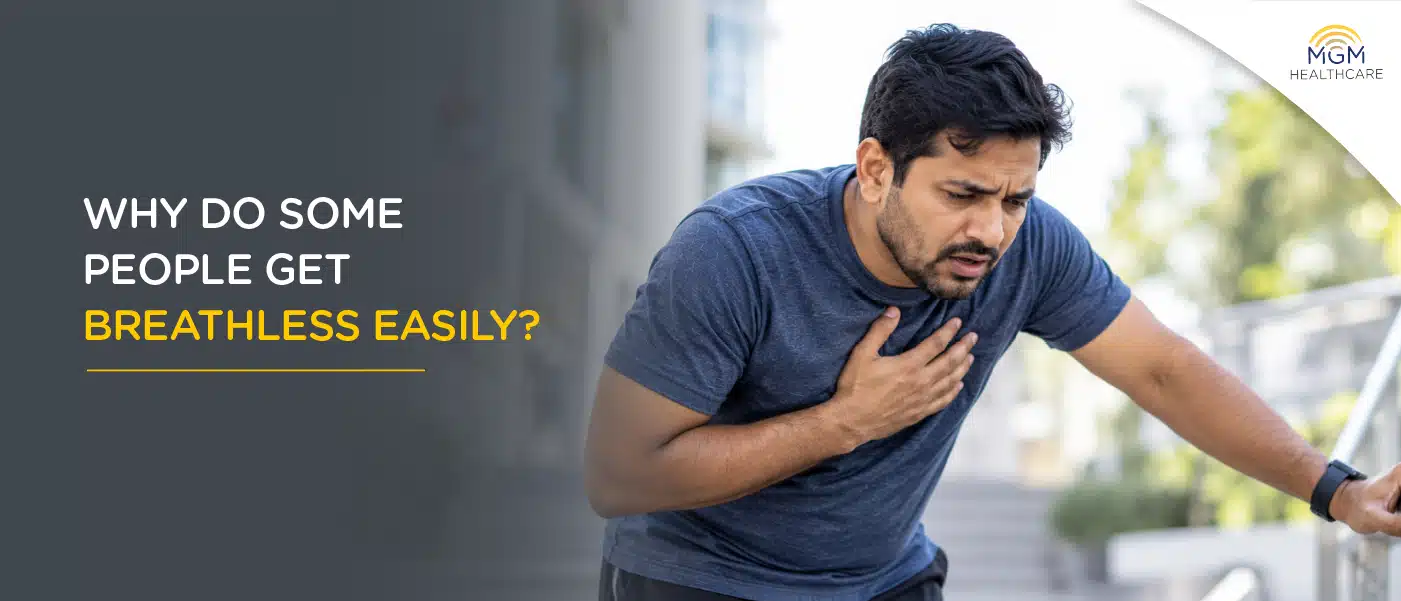
The cause may involve the lungs, heart or other parts of the body.
1. Lung and Respiratory Conditions
Lung and airway problems can make it harder to move air into and out of the lungs.
- Asthma: Inflamed, narrowed airways can cause breathlessness, wheezing, coughing and chest tightness.
- Respiratory infections: Conditions such as pneumonia can cause breathing difficulties along with fever, cough or chest discomfort.
- Chronic obstructive pulmonary disease (COPD): This long-term lung condition can make breathing increasingly difficult, particularly during physical activity.
- Allergic reactions: Severe allergies can cause swelling of the airways and may become life-threatening.
2. Heart Problems
Yes, heart conditions can cause breathlessness. If the heart cannot pump blood effectively or its function is affected, fluid may build up in the lungs or the body’s oxygen supply may be compromised.
Possible heart-related causes include:
- Heart failure
- Coronary artery disease
- Heart valve disorders
- Abnormal heart rhythms
Breathlessness that worsens during activity or when lying flat may be associated with a heart problem. Swollen ankles, unusual fatigue or palpitations can provide additional clues.
3. Anaemia
Anaemia occurs when the blood has insufficient healthy red blood cells or haemoglobin to carry oxygen effectively. This can leave you feeling tired, weak or breathless, particularly during physical activity.
A blood test can help determine whether anaemia is contributing to your symptoms.
4. Anxiety and Stress
Anxiety can change your breathing pattern and cause a sensation of not getting enough air. Some people also experience a racing heartbeat, dizziness or chest tightness.
However, new or unexplained breathlessness should not automatically be attributed to anxiety. A medical assessment may be needed to rule out other causes.
5. Reduced Fitness or Excess Body Weight
People who are less physically active may become breathless when climbing stairs, walking quickly or exercising. Excess body weight can also increase the effort required for physical activity.
However, breathlessness that is new, persistent or worsening should not simply be blamed on poor fitness or weight.



 In-person Consultation
 Online Video Consultation
 Preventive Health
 Treatment Enquiries
 Find a Doctor
 Access the Patient Portal
 +91 44 4524 2407
 Cardiac Sciences
 Gastro Sciences
 Minimal Access GI & Bariatric Surgery
 Heart & Lung Transplant
 Multi-Visceral and Abdominal Organ Transplant
 Liver Transplant
 Neurosurgery
 Neurology
 Spine Surgery
 Obstetrics and Gynaecology
 Orthopaedics
 Total Knee replacement
 Renal Sciences
 ENT, Head & Neck surgery
 Internal Medicine
 Anaesthesiology & SICU
 Emergency Medicine
 Radiology and Imaging Services
 Aesthetic & Plastic Surgery
 Dermatology
 Laboratory services & Blood Bank
 Maxillofacial & Dental Surgery
 Critical Care
 Opthamology
 Pain Management
 Pulmonology
 Rehabilitation Medicine
 Pediatrics and Neonatology
 Paediatric Cardiology
 Emergency Na MGM
 IVF
 Oncology Treatments
 Health Packages
 Healthcaring TV
 Healthcaring Stories
 Visitors
 Events
 Media
 Health Information
 BMW Data
 Careers
 Contact Us
 About
 +91 44 4524 2407Appointment
 +91 44 4200 4200Emergency