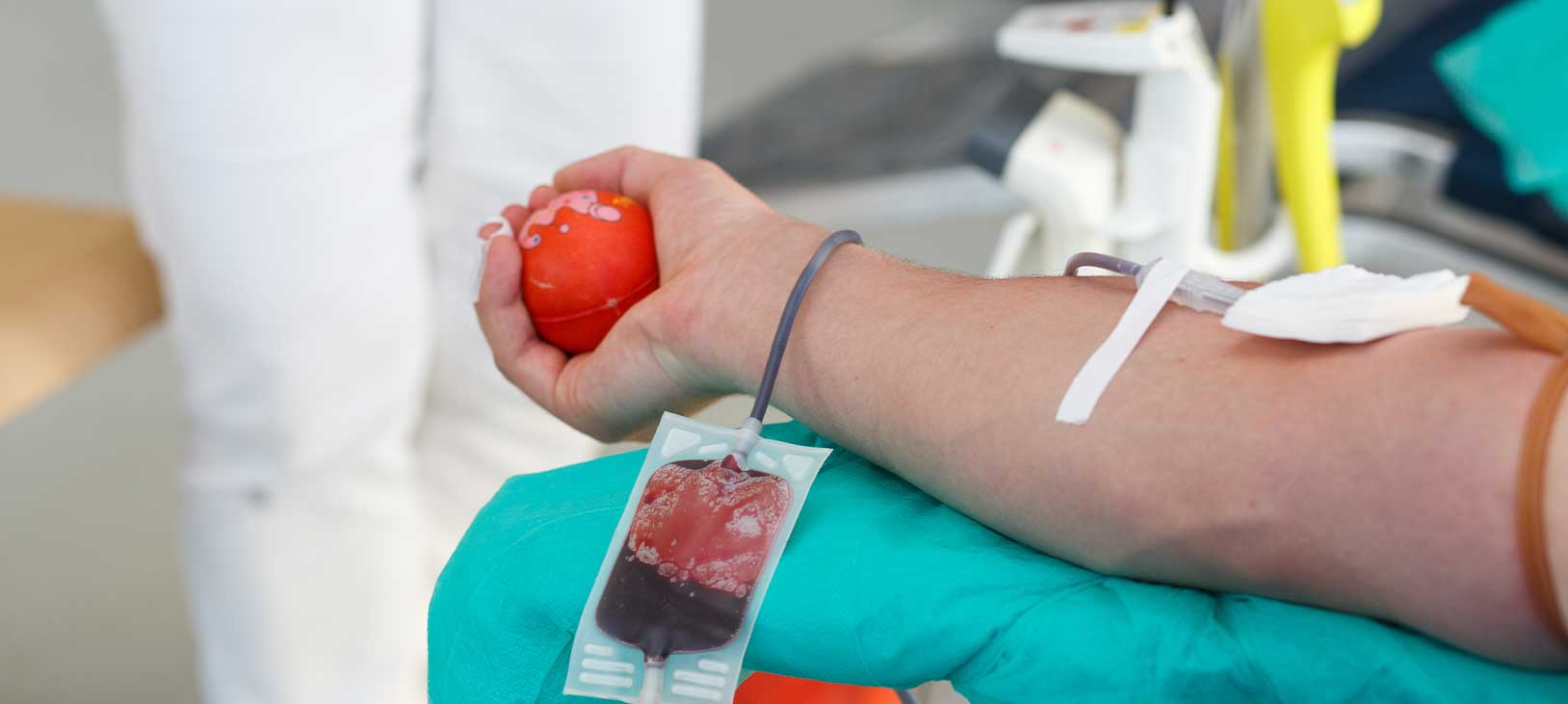
We are all aware that blood donation helps save lives, but few are aware of how beneficial it is to the donor. Perhaps you’re thinking about donating blood but are concerned about how it will affect your body or maybe you’ve done it in the past and are wondering how this will impact you if you decide to do it regularly. Here are some surprising benefits that blood donation can have on your body
We’re not talking about the free cookie and juice after you donate, but it is about the realisation that you might be saving or prolonging someone’s life, which makes you feel good and improves your emotional well-being.
Blood donation strengthens your immune system by revitalising your spleen (the organ responsible for the production and elimination of red blood cells) and also aids in the increase of immune cells that protect against various infections.
Before donating blood, donors receive a brief health screening that measures their pulse, blood pressure, temperature, and haemoglobin levels. While this screening is not a substitute for visiting your doctor for an annual checkup, it may help uncover an underlying medical condition that the donor is unaware of, such as high blood pressure. When you donate blood, it is tested for 13 different infectious diseases, including HIV and West Nile virus. All of these elements can help you gain a better understanding of your own health.
When blood is donated, your body works to replenish the blood loss by stimulating the production of new blood cells, which helps in enhancing overall health. In a nutshell, this is a natural “oil change” for your body.
Excess iron is stored in joints and organs such as the liver, heart, and pancreas, causing them to deteriorate. One of the only ways to reduce the amount of iron in the body is to remove red blood cells during blood donations hence regular blood donation assists in reducing iron overload and maintaining iron levels, lowering the risk of hemochromatosis which is a medical condition caused by the body’s excessive iron absorption.
Recent research suggests that lowering iron levels in the blood can reduce an individual’s risk of developing cancer, even if the chances are slim. Furthermore, blood donation increases antioxidant enzymes, which protect your cells from the effects of free radicals, which are produced when your body digests food or is exposed to things like tobacco smoke or radiation which ultimately leads to the development of heart disease and cancer.
Regular blood donation reduces the amount of iron and haemoglobin in the body, which can lead to a healthier heart and lower the risk of a heart attack, improve circulation by strengthening blood vessels, and lower blood pressure. If your haemoglobin level is too high, blood donation can help lower the viscosity of your blood, which has been linked to the formation of blood clots, heart attacks, and stroke.
While blood donation benefits the entire body, it has a particularly positive impact on the liver. There has recently been a significant increase in non-alcoholic fatty liver disease, which has been linked to high iron levels. Hepatitis C, as well as other liver diseases and infections, have been linked to blood impurity.
Blood is the most valuable gift to ever give or receive – the gift of life. A decision to donate blood can save one or more lives. Your blood can be multipurpose or used for patients with specific conditions.
A healthy person between the age of 18 to 65 who meets certain physical and health criteria can easily donate blood every three months or at least twice a year. 450ml of blood is collected in a single donation. Within 36 hours, your body will replace the lost blood.
Although the objective of this article is to highlight the positive aspect of donating blood, we should also keep in mind to follow the guidelines prescribed by the Ministry of Health and Family Welfare of India. Before donating, young donors, menstruating women, and those who are concerned about over-donation should consult their doctors and have their ferritin (iron) levels checked.
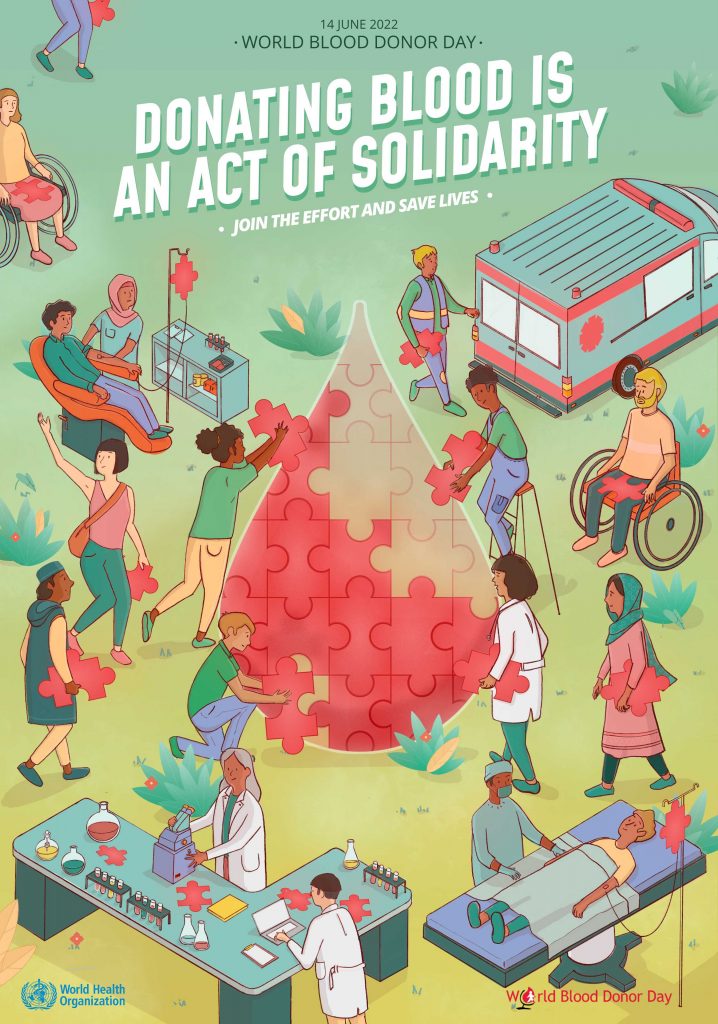
Going with the theme of this year for World Blood Donor Day is “Donating blood is an act of solidarity” the ultimate goal is to encourage everyone to come forward and participate in the journey of saving lives because donating blood is an act of solidarity.
MGM Healthcare has promoted blood drives among the local population and has been successful in engaging the community over the years in healthcare-related campaigns.
We are here to assist you if you are considering donating blood or would like to begin your journey towards solidarity, you can visit our blood bank at MGM Healthcare, Aminjikarai
For more such interesting articles about your health and how we can help, visit our blog.
For appointments and questions, please call 044-45242424 or send an email to [email protected].