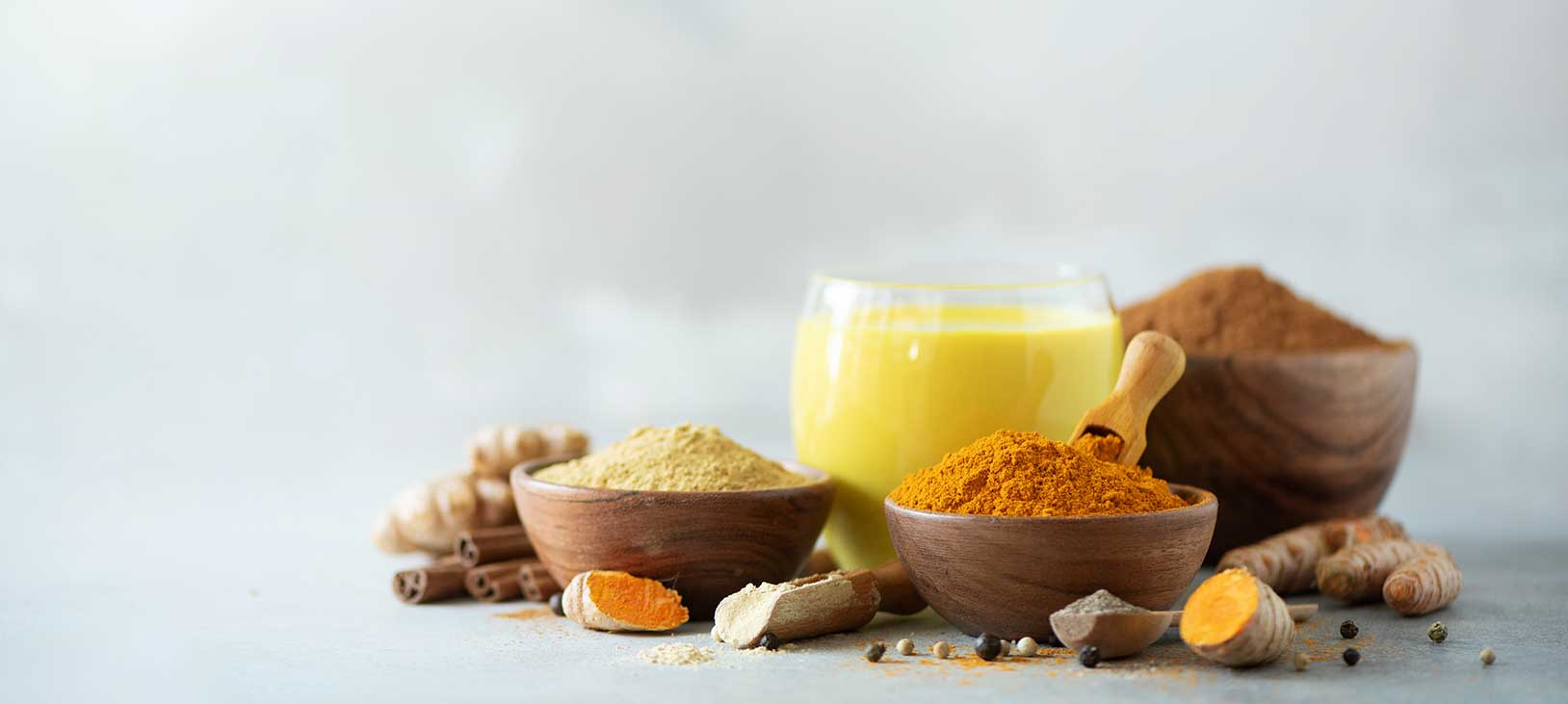
15 Immunity Booster Foods to Include in Your Diet 15 Immunity Booster Foods to Include in Your Diet

15 Immunity Booster Foods to Include in Your Daily Diet Mon , Jun 20

A balanced diet plays an important role in supporting the immune system. Including foods rich in vitamins, minerals, antioxidants and protein can help maintain normal immune function. From citrus fruits and leafy vegetables to nuts, seeds and whole grains, a varied diet provides essential nutrients that support overall health.

Discover 15 immunity-supporting foods and three simple, nutritious recipes recommended as part of a balanced eating routine.

What Are Immunity Booster Foods?

Immunity booster foods are foods that provide essential nutrients required for the normal functioning of the immune system. These include vitamins A, C, D and E, zinc, iron, protein and other beneficial nutrients.

No single food can prevent infections or guarantee stronger immunity. However, regularly eating a variety of nutrient-rich foods can help support the body’s natural defence mechanisms.

15 Immunity Booster Foods to Include in Your Diet

Here are some nutritious foods that can contribute to a balanced diet and support normal immune function.

1. Citrus Fruits

Oranges, lemons and sweet limes are excellent sources of vitamin C. This vitamin supports the normal functioning of immune cells and helps protect cells from oxidative stress.

How to include them: Eat whole citrus fruits, add lemon juice to meals or enjoy fresh fruit as a snack.

2. Amla (Indian Gooseberry)

Amla is a good source of vitamin C and contains antioxidant compounds. It can be included in a balanced diet to support overall nutritional health.

How to include it: Eat fresh amla, add it to chutneys or include it in traditional preparations.

3. Guava

Guava provides vitamin C, dietary fibre and other beneficial plant compounds. It is a convenient fruit to include in your daily diet.

How to include it: Enjoy fresh guava as a mid-morning or evening snack.

4. Papaya

Papaya contains vitamin C, vitamin A precursors and dietary fibre. These nutrients contribute to normal immune function and digestive health.

How to include it: Eat ripe papaya as a breakfast accompaniment or between meals.

5. Leafy Green Vegetables

Spinach, drumstick leaves and other green vegetables provide vitamins A, C and folate, along with minerals and antioxidants.

How to include them: Add leafy greens to soups, dals, vegetable preparations and everyday meals.

6. Carrots

Carrots contain beta-carotene, which the body converts into vitamin A. Vitamin A plays an important role in maintaining the normal function of the immune system and healthy body tissues.

How to include them: Eat carrots raw, steamed or cooked in vegetable dishes.

7. Beetroot

Beetroot provides folate, fibre and naturally occurring plant compounds. Including it in a varied diet contributes to overall nutritional intake.

How to include it: Add beetroot to salads, soups or cooked vegetable preparations.

8. Broccoli

Broccoli contains vitamin C, folate, fibre and other beneficial plant compounds. It is a nutritious addition to a balanced eating pattern.

How to include it: Steam, lightly sauté or add broccoli to soups and mixed vegetable dishes.

9. Garlic

Garlic contains naturally occurring sulphur compounds and can add flavour to meals without relying heavily on salt.

How to include it: Add fresh garlic to soups, dals, vegetable preparations and curries.

10. Ginger

Ginger contains bioactive compounds such as gingerols. It is commonly used in traditional cooking and can be included as part of a varied diet.

How to include it: Add fresh ginger to tea, soups and everyday meals.

11. Turmeric

Turmeric contains curcumin, a naturally occurring compound studied for its antioxidant and anti-inflammatory properties. Culinary turmeric can be used as part of a balanced diet.

How to include it: Add turmeric to dals, vegetables, soups and milk preparations.

12. Almonds

Almonds provide vitamin E, healthy fats, fibre and protein. Vitamin E contributes to the protection of cells from oxidative stress.

How to include them: Have a small handful of almonds as a snack or add chopped almonds to breakfast.

13. Pumpkin and Flax Seeds

Pumpkin seeds provide zinc, while flax seeds contain fibre and plant-based omega-3 fatty acids. Both can contribute useful nutrients to a balanced diet.

How to include them: Sprinkle seeds over salads, porridge, yoghurt or other meals.

14. Eggs

Eggs provide high-quality protein and nutrients such as vitamin B12 and selenium. Protein is essential for the growth and maintenance of body tissues, including those involved in immune function.

How to include them: Enjoy boiled eggs, omelettes or cooked egg preparations.

15. Fish

Fish provides protein and, depending on the variety, omega-3 fatty acids and vitamin D. These nutrients contribute to overall health.

How to include it: Include properly cooked fish in your meals as part of a balanced diet.



Three Simple and Nutritious Recipes from MGM Healthcare

Try these easy recipes from MGM Healthcare’s Department of Nutrition, Dietetics and Food and Beverage as part of your daily eating routine.

1. Immunity Tea

Approximate caloric value: 20 kcal per 100 ml, as stated in the original recipe.

Ingredients:

  • Green tea or tea leaves—1 tea bag or ½ teaspoon
  • Tulsi leaves – 10
  • Mint leaves – 5
  • Karpuravalli leaves, if available – 2
  • Fresh or dry ginger – 1 small piece
  • Lemon juice—from ½ lemon
  • Honey – 1 teaspoon

Method:

  • Crush the ginger and boil it with tulsi, mint and karpuravalli leaves for 10 minutes.
  • Add the tea leaves or green tea bag and allow it to steep for one minute.
  • Strain the preparation.
  • Add lemon juice and honey before serving.

This herbal tea combines ingredients commonly used in traditional preparations. It can be enjoyed as a warm beverage, but it should not be considered a treatment for coughs, colds or other infections.

2. Murungai Soup (Drumstick Leaves Soup)

Approximate caloric value: 30 kcal per 100 ml, as stated in the original recipe.

Ingredients:

  • Murungai keerai (drumstick leaves) – 2 handfuls
  • Ginger – 1 piece
  • Garlic – 4 pods
  • Pepper powder – ½ teaspoon
  • Salt – to taste

Method:

  • Wash the drumstick leaves thoroughly.
  • Boil the leaves with ginger and garlic for approximately 10 minutes.
  • Add salt and pepper to taste.
  • Strain the soup and serve warm.

Drumstick leaves are a source of plant-based nutrients, including vitamin A precursors and iron. This simple soup can be included in a varied diet.

3. Badam Masala Milk

Approximate nutritional value: 200 kcal and 11 g protein, as stated in the original recipe.

Ingredients:

  • Milk – 150 ml
  • Almonds – 10 or 4 teaspoons of almond powder
  • Pepper powder – ¼ teaspoon
  • Turmeric powder – 2 pinches

Method:

  • Soak the almonds in water and remove their skins.
  • Grind the almonds into a smooth paste.
  • Boil the milk and add the almond paste.
  • Add pepper and turmeric powder.
  • Mix well and serve warm.

This preparation provides protein and calcium from milk, along with vitamin E and healthy fats from almonds. It can be enjoyed as a nourishing bedtime beverage.

Note: Nutritional values are approximate and may vary depending on ingredient quantities, preparation methods and serving sizes.

Essential Nutrients That Support Immune Function

A balanced diet should provide a variety of nutrients that contribute to normal immune-system activity.

Nutrient Food sources Role in the body
Vitamin C Amla, guava, oranges, lemon Supports normal immune-cell function
Vitamin A Carrots, spinach, drumstick leaves Helps maintain healthy body tissues
Vitamin D Fatty fish, egg yolk, fortified foods Contributes to normal immune function
Vitamin E Almonds, seeds, vegetable oils Helps protect cells from oxidative stress
Zinc Pumpkin seeds, legumes, nuts Supports normal immune function
Protein Eggs, fish, milk, pulses Helps build and maintain body tissues
Iron Drumstick leaves, legumes, meat Supports oxygen transport and normal immune function

Healthy Eating Habits to Support Your Immune System

In addition to including nutrient-rich foods, maintaining consistent healthy eating habits is important.

Eat a variety of foods: Include fruits, vegetables, whole grains, protein sources, nuts and seeds.

Stay hydrated: Drink enough water throughout the day. Fluid requirements vary depending on age, activity, climate and health conditions.

Choose whole grains: Include millets, oats, brown rice and other whole grains.

Include protein in meals: Choose from eggs, fish, dairy products, pulses and other suitable protein sources.

Limit highly processed foods: Reduce excessive intake of foods high in added sugar, salt and unhealthy fats.

Maintain regular meal timings: Follow a balanced and consistent eating routine.

People managing diabetes or other long-term conditions may benefit from appropriate medical advice and individualised dietary planning through diabetes management and care.

When Should You Consult a Nutritionist?

Nutritional requirements differ depending on age, lifestyle, medical conditions and individual health needs. People with diabetes, kidney disease, digestive disorders, nutritional deficiencies or other health concerns may require personalised dietary advice.

Consult a qualified nutritionist or dietitian if you need help planning a balanced diet, managing a nutritional deficiency or choosing foods that suit your medical requirements.

Support Your Health with the Right Nutrition

Good nutrition is an important part of maintaining overall health. A varied diet containing fruits, vegetables, whole grains, protein-rich foods, nuts and seeds can help provide the nutrients your body needs.

For personalised nutritional guidance, consult the Department of Nutrition, Dietetics and Food and Beverage at MGM Healthcare.

Frequently Asked Questions

What are the best immunity booster foods?

Citrus fruits, amla, guava, leafy vegetables, carrots, broccoli, almonds, seeds, eggs and fish provide nutrients that support normal immune function. Including a variety of these foods in a balanced diet is beneficial.

Which fruits are good for immunity?

Amla, oranges, guava, papaya, lemon and sweet lime provide vitamins and beneficial plant compounds. Many of these fruits are particularly good sources of vitamin C.

Which vegetables help support the immune system?

Spinach, drumstick leaves, carrots, broccoli and beetroot provide different vitamins, minerals, fibre and plant compounds that contribute to a balanced diet.

Does drinking immunity tea every day improve immunity?

Herbal tea can be enjoyed as part of a balanced diet and may contribute to fluid intake. However, there is no guarantee that drinking immunity tea will strengthen immunity or prevent infections.

Is turmeric milk good for health?

Turmeric milk provides nutrients from milk, including protein and calcium. Turmeric contains curcumin, which has been studied for its biological properties. It can be enjoyed as part of a balanced diet but is not a treatment for infections.

How much water should I drink every day?

Water requirements vary depending on age, physical activity, climate and medical conditions. Drink regularly throughout the day and follow your healthcare professional’s advice if you have a condition requiring fluid restriction.

Can food alone prevent infections?

No. A nutritious diet supports normal immune function, but it cannot guarantee protection against infections. Vaccination, hand hygiene, adequate sleep and appropriate medical care also play important roles.

Enquire Now

Fill the form and our team will get back to you within 24 hours