Heart Attack at a Young Age: Causes, Signs & Risks Heart Attack at a Young Age: Causes, Signs & Risks

Heart Attack in Young Age: Causes, Symptoms and Prevention Sat , Oct 11

A heart attack can occur at any age, including in people in their 20s, 30s and 40s. Although the risk generally increases with age, younger adults can also develop coronary artery disease due to factors such as smoking, high cholesterol, diabetes, high blood pressure, family history and certain underlying heart conditions. Recognising the warning signs and seeking emergency medical care can help limit heart muscle damage and improve outcomes.

Heart attacks in younger adults deserve attention because some cardiovascular risk factors may remain undetected for years, even when a person feels healthy.

Can Young People Really Have a Heart Attack?

Yes. Young people can experience a heart attack, including at the age of 20. Although it is less common in younger adults than in older people, age does not completely protect someone from coronary artery disease.

Some young adults may have undiagnosed high cholesterol, high blood pressure or diabetes. Others may have inherited conditions that increase their risk of developing heart disease earlier in life.

Certain less common conditions, including coronary artery abnormalities and spontaneous coronary artery dissection, can also contribute to heart attacks in younger people.

Understanding individual risk factors and seeking medical advice when necessary are important steps towards protecting heart health.

What Is a Heart Attack?

A heart attack, medically known as a myocardial infarction, occurs when blood flow to part of the heart muscle becomes severely reduced or blocked.

The most common cause is the formation of a blood clot over a ruptured fatty deposit, known as plaque, inside a coronary artery. This prevents sufficient oxygen-rich blood from reaching the heart muscle.

Without timely treatment, the affected heart tissue can become permanently damaged.

A heart attack is different from cardiac arrest. A heart attack occurs because blood supply to part of the heart muscle is interrupted. Cardiac arrest occurs when the heart suddenly stops pumping blood effectively, usually due to an electrical problem. A heart attack can sometimes trigger cardiac arrest, but the two conditions are not the same.

Common Symptoms of Heart Attack in Young Adults

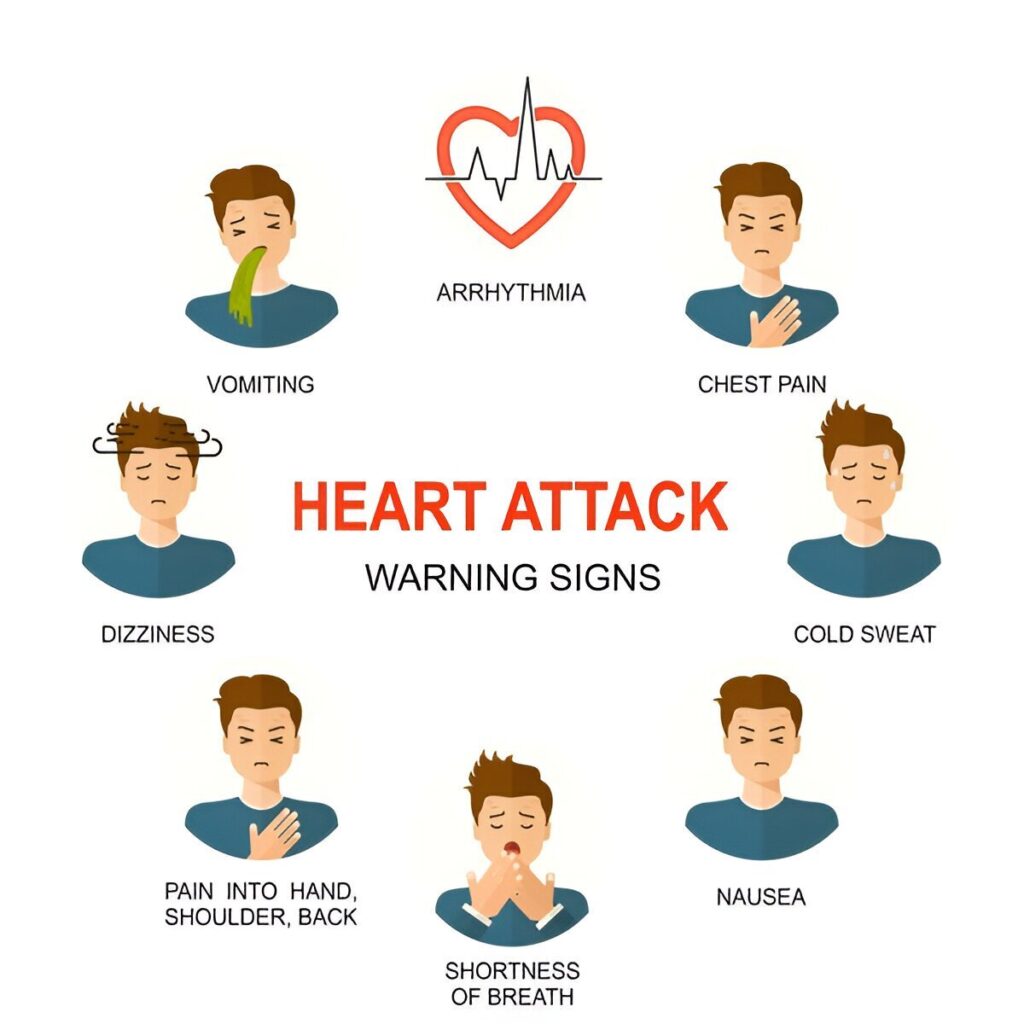
Heart attack symptoms can vary from person to person. Some people experience sudden chest discomfort, while others develop symptoms gradually.heart attack in young age

Common warning signs include:

  • Chest discomfort: Pressure, tightness, squeezing, heaviness or pain in the centre of the chest.
  • Pain spreading to other areas: Discomfort that extends to one or both arms, shoulders, neck, jaw, back or upper abdomen.
  • Shortness of breath: Difficulty breathing, with or without chest discomfort.
  • Cold sweats: Unexpected sweating, particularly when accompanied by other symptoms.
  • Nausea or vomiting: Feeling sick or experiencing vomiting alongside other warning signs.
  • Dizziness or light-headedness: Feeling faint, weak or unusually unsteady.
  • Unusual fatigue: Unexpected tiredness or weakness that may occur alongside other symptoms.

Not everyone experiences all these symptoms. Some heart attacks begin with mild discomfort, while others occur suddenly.

Heart Attack Symptoms in Men and Women

Heart attacks can affect both men and women, including younger adults. Chest discomfort is the most common symptom in both. However, the combination of symptoms can vary between individuals.

Recognising possible symptoms in both men and women is important because not every heart attack presents in the same way.

Heart Attack Symptoms in Men

Men experiencing a heart attack may notice:

  • Chest pain, pressure, squeezing or tightness.
  • Pain or discomfort spreading to one or both arms.
  • Pain in the shoulder, neck, jaw or back.
  • Shortness of breath.
  • Cold sweats.
  • Nausea or dizziness.
  • Unusual fatigue or weakness.

Chest discomfort is a common warning sign, but its intensity can vary. Some men may experience additional symptoms without severe chest pain.

Heart Attack Symptoms in Women

Women can experience the same common heart attack symptoms as men, including chest discomfort. Some women may also experience:

  • Unusual or unexplained fatigue.
  • Shortness of breath, sometimes without prominent chest discomfort.
  • Nausea or vomiting.
  • Pain or discomfort in the back, shoulder, neck or jaw.
  • Upper abdominal discomfort or indigestion-like symptoms.
  • Light-headedness.

These symptoms are not exclusive to women and can also occur in men.

Important: Chest discomfort remains the most common heart attack symptom in both men and women. A heart attack can also occur without prominent chest pain. Anyone experiencing possible heart attack symptoms should seek emergency medical attention immediately.

Reasons for Heart Attack in Young Age

Heart attacks in younger adults can result from a combination of lifestyle factors, underlying medical conditions and inherited risks.

Some important contributing factors include:

1. Smoking and Tobacco Use

Smoking is a significant cardiovascular risk factor. Chemicals in tobacco smoke damage blood vessels, contribute to plaque formation and increase the risk of blood clots.

Nicotine can also raise blood pressure and heart rate. Regular smoking, including at a young age, can increase the risk of developing coronary artery disease.

2. High Cholesterol

High levels of LDL cholesterol can contribute to the accumulation of fatty deposits in the coronary arteries.

An inherited condition called familial hypercholesterolaemia can cause very high LDL cholesterol levels from an early age. People with a family history of high cholesterol or premature heart disease may need earlier assessment.

3. Diabetes and High Blood Pressure

Diabetes and high blood pressure can damage blood vessels over time.

  • Diabetes: Persistently high blood glucose can damage blood vessels and increase cardiovascular risk.
  • High blood pressure: Increased pressure within the arteries can damage their walls and contribute to coronary artery disease.

Both conditions can develop without obvious symptoms, making appropriate health assessments important.

4. Unhealthy Diet and Physical Inactivity

A diet high in saturated fats, trans fats and excess salt, combined with insufficient physical activity, may contribute to obesity, high cholesterol, high blood pressure and diabetes.

These conditions can increase the risk of developing cardiovascular disease.

5. Family History and Genetic Factors

A family history of premature heart disease may increase a person’s risk.

If a parent, sibling or close relative experienced a heart attack or was diagnosed with coronary artery disease at a relatively young age, discuss this history with a healthcare professional.

Inherited conditions such as familial hypercholesterolaemia can also increase cardiovascular risk.

6. Chronic Stress and Poor Sleep

Long-term stress and inadequate sleep may affect blood pressure, metabolic health and lifestyle habits.

Stress can contribute to cardiovascular risk, particularly when combined with smoking, inactivity or other medical conditions. However, stress should not be considered the sole cause of a heart attack.

7. Alcohol and Recreational Drug Use

Excessive alcohol consumption can contribute to high blood pressure and other cardiovascular problems.

Certain recreational drugs, particularly stimulants such as cocaine and amphetamines, can cause blood vessel constriction, increase heart rate and blood pressure, and trigger serious cardiac complications.

8. Other Underlying Heart Conditions

Some less common conditions can also contribute to heart attacks in younger people.

These include:

  • Spontaneous coronary artery dissection (SCAD), in which a tear develops within the wall of a coronary artery.
  • Coronary artery abnormalities present from birth.
  • Coronary artery spasm.
  • Certain blood-clotting disorders.

The underlying cause varies between individuals and requires appropriate medical investigation.

Diagnosis and Emergency Treatment

A suspected heart attack requires immediate medical evaluation. Doctors use clinical assessment, heart monitoring and diagnostic investigations to identify whether a heart attack has occurred and determine the appropriate treatment.

Tests Used to Diagnose a Heart Attack

1. Electrocardiogram (ECG)

An ECG records the electrical activity of the heart. It helps identify changes that may indicate a heart attack and guides immediate treatment decisions.

2. Blood Tests (Troponin)

Troponin is a protein released into the bloodstream when heart muscle cells are damaged. Blood tests measuring cardiac troponin help doctors identify heart muscle injury. Repeat testing may be necessary depending on when symptoms began.

3. Echocardiogram

An echocardiogram uses ultrasound to assess the heart’s structure, pumping function and movement of its walls. It can help identify areas affected by heart muscle damage.

4. Coronary Angiography

Coronary angiography uses contrast imaging to examine the coronary arteries and identify narrowing or blockages. It can also help doctors plan procedures to restore blood flow.

Not every patient needs every investigation. The medical team decides which tests are appropriate based on the patient’s condition.

Emergency Treatment for Heart Attack

Treatment depends on the type of heart attack, the location and severity of the blockage, and the patient’s overall condition.

Possible treatments include:

  • Medications: Medicines may be given to reduce clot formation, manage cholesterol, control blood pressure and support heart function.
  • Coronary Angioplasty and Stenting: A procedure in which a catheter is used to open a narrowed or blocked coronary artery. A stent may be placed to help keep the artery open.
  • Clot-Dissolving Medication: Certain patients may receive medicines to dissolve blood clots when appropriate, depending on the type of heart attack and availability of timely procedures.

Oxygen is given when clinically indicated, such as when blood oxygen levels are low. It is not routinely required for every heart attack patient.

If you suspect a heart attack, do not delay emergency care to arrange a routine cardiology appointment. In India, call 112 for emergency assistance or use the available local ambulance service.

Hospitals with specialised cardiac services, such as MGM Healthcare’s Cardiac Sciences Department, provide evaluation and treatment for cardiovascular conditions.

Recovery and Prevention

Recovery after a heart attack involves medical treatment, follow-up appointments and lifestyle changes. The recovery plan depends on the extent of heart muscle damage, the treatment received and the patient’s overall health.

Important aspects of recovery include:

Medications: Doctors may prescribe medicines to manage cholesterol, blood pressure, blood clot risk and other cardiovascular conditions. Take them as directed and do not discontinue them without medical advice.

Cardiac Rehabilitation: A supervised programme that may include guided exercise, nutritional education, risk-factor management and emotional support. It helps patients work towards a safe and gradual return to daily activities.

Regular Follow-up: Follow-up appointments help monitor recovery, review heart function, assess risk factors and adjust treatment when necessary.

Lifestyle Changes After a Heart Attack

  • Follow a balanced, heart-healthy diet.
  • Avoid smoking and all forms of tobacco.
  • Avoid recreational drugs and discuss alcohol use with your doctor.
  • Resume physical activity according to your medical team’s guidance.
  • Manage stress and maintain healthy sleep habits.
  • Monitor blood pressure, cholesterol and blood glucose.
  • Attend recommended cardiac rehabilitation sessions.
  • Follow prescribed medication and attend follow-up appointments.

When Is Heart Surgery Needed?

Not every heart attack requires open-heart surgery. Treatment depends on the location, severity and extent of coronary artery disease.

Coronary artery bypass grafting (CABG) may be recommended for selected patients with significant coronary artery blockages. During the procedure, a healthy blood vessel from another part of the body is used to create an alternative route for blood to flow around a blocked coronary artery.

Other patients may be treated with coronary angioplasty and stenting or medication, depending on their clinical condition.

A cardiac specialist evaluates the patient’s condition and recommends an appropriate treatment approach.

Keeping Your Heart Healthy

Protecting your heart should begin early, even if you do not have noticeable symptoms. Healthy habits can help reduce several cardiovascular risk factors.

  • Exercise regularly: Choose suitable physical activities and follow recommended activity levels based on your health.
  • Eat a balanced diet: Include vegetables, fruits, whole grains, pulses and other nutritious foods.
  • Avoid tobacco: Do not smoke or use tobacco products.
  • Monitor health conditions: Check blood pressure, cholesterol and blood glucose as advised.
  • Know your family history: Inform your doctor about early heart disease or inherited cholesterol conditions in your family.
  • Manage stress: Maintain a healthy work-life balance and prioritise adequate sleep.
  • Attend preventive check-ups: Discuss your individual cardiovascular risk and appropriate screening with a healthcare professional.

People with diabetes, high blood pressure, high cholesterol or a family history of premature heart disease may need closer monitoring.

Preventive screening should be based on individual risk rather than assuming that every young adult requires advanced cardiac testing.

Conclusion

Heart attacks can affect people in their 20s, 30s and 40s, not just older adults. Smoking, high cholesterol, diabetes, high blood pressure, inherited conditions and other cardiovascular risk factors can contribute to heart disease at a younger age.

Recognising symptoms in both men and women, understanding personal risk factors and managing underlying health conditions are important steps towards protecting heart health.

If you experience symptoms that could indicate a heart attack, seek emergency medical attention immediately. For non-emergency concerns about cardiovascular risk or heart health, consult a cardiac specialist at MGM Healthcare for an appropriate evaluation.

Frequently Asked Questions About Heart Attack in Young Age

Can young people have a heart attack?

Yes. People in their 20s, 30s and 40s can experience heart attacks. Although they are less common in younger adults, risk factors such as smoking, high cholesterol, diabetes, high blood pressure, family history and certain underlying heart conditions can contribute.

Can you have a heart attack at 20?

Yes. A heart attack can occur at age 20, although it is uncommon. Inherited cholesterol conditions, smoking, recreational drug use, coronary artery abnormalities and other medical conditions may contribute to the risk.

What is the main reason for a heart attack at a young age?

One of the main underlying mechanisms is reduced blood flow through a coronary artery, commonly due to a blood clot forming over a ruptured plaque. Risk factors such as smoking, high LDL cholesterol, diabetes and high blood pressure can contribute to this process. Other causes are possible, particularly in younger patients.

What are the early symptoms of a heart attack in young adults?

Symptoms may include chest pressure or discomfort, pain spreading to the arms or jaw, shortness of breath, cold sweats, nausea, dizziness and unusual fatigue. Symptoms vary between individuals and may not always include severe chest pain.

What are the symptoms of a heart attack in men under 40?

Men under 40 may experience chest pressure, tightness or discomfort, pain spreading to the arms, shoulders, neck or jaw, shortness of breath, cold sweats, nausea and dizziness. A heart attack is less common at this age, but it can occur. Suspected symptoms require immediate emergency assessment.

What are the symptoms of a heart attack in young women?

Young women may experience chest discomfort, shortness of breath, nausea, cold sweats, unusual fatigue or pain in the back, shoulder or jaw. Symptoms can vary, and chest discomfort remains the most common heart attack symptom in women. Suspected symptoms should never be ignored.

At what age can men have a heart attack?

Men can experience a heart attack at any age, although the risk generally increases with age. Smoking, high cholesterol, diabetes, high blood pressure and family history can contribute to earlier cardiovascular disease. There is no fixed age at which heart attacks begin.

At what age can women have a heart attack?

Women can also experience a heart attack at any age. Cardiovascular risk is influenced by factors such as diabetes, high blood pressure, cholesterol, smoking, family history and other health conditions. Younger women are not completely protected from heart disease.

Are heart attack symptoms different in men and women?

Chest discomfort is the most common symptom in both men and women. However, some women may also experience unusual fatigue, nausea, shortness of breath, back pain or jaw discomfort. These symptoms can occur in men too. Both men and women need immediate medical assessment if a heart attack is suspected.

Can stress cause a heart attack in young adults?

Stress may contribute to cardiovascular risk through its effects on blood pressure, sleep and lifestyle habits. However, it is not appropriate to attribute a heart attack to stress alone. Other medical and cardiovascular risk factors should also be evaluated.

Can a heart attack be cured?

A heart attack requires immediate medical treatment to restore blood flow and limit heart muscle damage. Recovery depends on how much heart muscle has been affected and how quickly treatment is received. Medication, cardiac rehabilitation and regular follow-up may be necessary for long-term heart health.

How can young adults reduce their risk of a heart attack?

Young adults can reduce several cardiovascular risk factors by avoiding tobacco, staying physically active, following a balanced diet, maintaining a healthy weight and managing blood pressure, cholesterol and diabetes. People with a family history of premature heart disease should discuss appropriate screening with their doctor.

When should I seek emergency medical help?

Seek emergency help immediately if you or someone nearby experiences chest pressure, pain spreading to the arms or jaw, unexplained breathlessness, cold sweats, nausea or other symptoms that may indicate a heart attack. Do not wait for symptoms to become severe.

Enquire Now

Fill the form and our team will get back to you within 24 hours