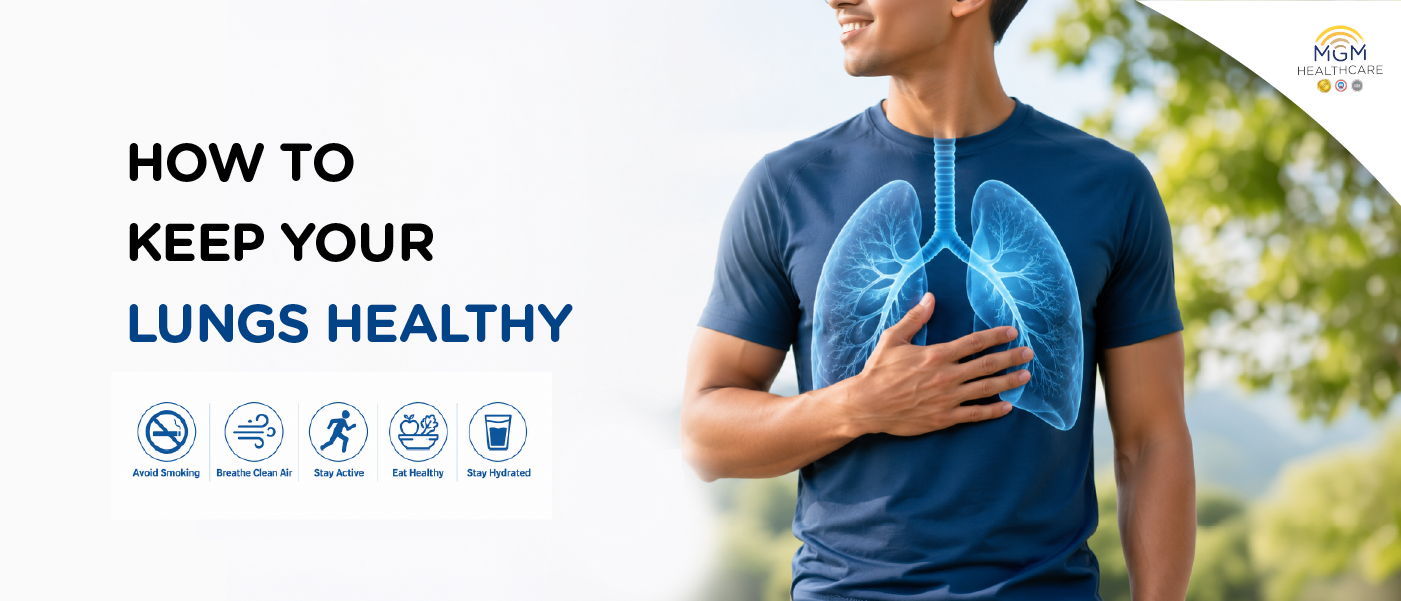
How to Keep Your Lungs Healthy | Lung Health Tips & Care How to Keep Your Lungs Healthy | Lung Health Tips & Care

How to Keep Your Lungs Healthy: Simple Tips to Protect Your Lungs Every Day Thu , Jul 30

About the Health Information

Our Health information will help you stay up to date on what is happening in health care. We bring you news/information/perspectives around health care innovations, preventive medicine, early diagnosis, nutrition and diet, women’s health, men’s health, children’s health, latest technologies, treatments and surgeries, diseases and conditions, fitness and more.


Popular Posts
Medical Emergency Mon , Dec 27
Shoulder Arthritis and its types

Quick Facts

    • Healthy lungs provide the oxygen your body needs to function.
    • Air pollution, smoking, and dust can gradually damage lung function.
    • Persistent cough or breathlessness should not be ignored.
    • Regular exercise and avoiding smoking help maintain healthy lungs.
    • Early diagnosis can help detect many lung conditions before they become severe.

Introduction

  • Every breath keeps your body functioning, yet many people only think about their lungs when they develop a cough or breathing difficulty.

    Air pollution, smoking, dust, and respiratory infections can all affect lung health over time. While you cannot always avoid polluted air, simple lifestyle habits and regular health checks can help protect your lungs and reduce the risk of long-term respiratory disease.

How Can You Keep Your Lungs Healthy?

  • Healthy lungs depend on a combination of clean air, regular physical activity, avoiding smoking, good nutrition, and timely medical care. Protecting your lungs from pollution and recognising symptoms early can help reduce the risk of chronic respiratory diseases.

Who Is This Guide For?

  • This guide may be helpful if you:

    • Live in areas with high air pollution
    • Smoke or have smoked in the past
    • Have asthma or COPD
    • Work in dusty or industrial environments
    • Experience frequent cough or breathing problems
    • Want to improve your lung health

What Do Healthy Lungs Do?

  • Healthy lungs supply oxygen to the body and remove carbon dioxide.

    They help you:

    • Breathe comfortably
    • Stay physically active
    • Fight respiratory infections
    • Support heart and overall body function

    When lung function declines, even everyday activities may become difficult.

How Does Air Pollution Affect Your Lungs?

  • Air pollution contains tiny particles and harmful gases that can irritate the airways and damage lung tissue over time.

    Long-term exposure may increase the risk of:

    • Asthma
    • Chronic Obstructive Pulmonary Disease (COPD)
    • Lung infections
    • Reduced lung function
    • Allergic airway diseases

    Children, older adults, and people with existing lung disease are particularly vulnerable.

Healthy Lungs vs Unhealthy Lungs

  • Healthy Lungs Unhealthy Lungs
    Comfortable breathing Breathlessness during routine activities
    Good oxygen supply Reduced lung function
    Better resistance to infections Frequent respiratory infections
    Supports an active lifestyle Fatigue and reduced physical activity

What Symptoms Should You Not Ignore?

  • Consult a doctor if you experience:

    • A cough lasting more than three weeks
    • Shortness of breath
    • Wheezing
    • Chest tightness
    • Persistent mucus production
    • Repeated chest infections
    • Coughing up blood

    Early assessment can help identify the underlying cause.

Who Is at Higher Risk?

  • You may be at greater risk if you:

    • Smoke or have smoked previously
    • Are regularly exposed to air pollution or dust
    • Have asthma or COPD
    • Work in dusty industries
    • Have allergies
    • Have a family history of lung disease

How Can You Protect Your Lungs?

  • Simple daily habits can support better lung health.

    • Avoid smoking and second-hand smoke
    • Wear a mask in heavily polluted or dusty areas
    • Check the Air Quality Index (AQI) before outdoor activities
    • Exercise regularly
    • Practice breathing exercises
    • Keep indoor spaces well ventilated
    • Stay up to date with recommended vaccinations
    • Drink enough water

    Small everyday changes can help support healthier lungs.

How Are Lung Problems Diagnosed?

  • Depending on your symptoms, your pulmonologist may recommend:

    • Clinical examination
    • Chest X-ray
    • CT scan (when required)
    • Pulmonary Function Tests (PFT)
    • Blood tests
    • Allergy testing

    Early diagnosis allows treatment to begin before lung disease progresses.

When Should You See a Pulmonologist?

  • Arrange a consultation if you have:

    • A cough lasting more than three weeks
    • Ongoing breathlessness
    • Wheezing
    • Frequent chest infections
    • Chest pain while breathing
    • Coughing up blood

    People with asthma, COPD, or long-term exposure to pollution should also attend regular medical reviews.

Why Choose MGM Healthcare for Lung Care?

  • At MGM Healthcare, our pulmonology specialists diagnose and treat a wide range of respiratory conditions using advanced diagnostic technology and personalised treatment plans.

    Our services include:

    • Pulmonary Function Testing
    • Asthma and COPD management
    • Lung infection treatment
    • Interventional Pulmonology
    • Bronchoscopy
    • Comprehensive respiratory evaluation
    • Long-term follow-up care

    We help patients improve their lung health with accurate diagnosis, personalised treatment, and continued care.

Key Takeaways

    • Healthy lungs are essential for overall well-being.
    • Air pollution and smoking can gradually damage lung function.
    • Persistent cough or breathlessness should not be ignored.
    • Healthy lifestyle habits help protect lung health.
    • Early medical evaluation can help detect and manage respiratory conditions.

FAQs

Can air pollution permanently damage the lungs?

Long-term exposure to polluted air may reduce lung function and increase the risk of chronic respiratory diseases.

How can I protect my lungs from pollution?

Avoid smoking, wear a mask in polluted areas, monitor the air quality index, exercise regularly, and seek medical advice for persistent respiratory symptoms.

Does exercise improve lung health?

Yes. Regular physical activity and breathing exercises can help improve respiratory fitness and overall lung function.

When should I worry about a persistent cough?

A cough lasting more than three weeks, especially if associated with breathlessness, fever, or coughing up blood, should be assessed by a doctor.

Who should have regular lung health checks?

People with asthma, COPD, a history of smoking, occupational dust exposure, or recurring respiratory symptoms may benefit from regular evaluation.