Chest Pain vs Gas: How to Identify Heart Attack Symptoms Early Chest Pain vs Gas: How to Identify Heart Attack Symptoms Early

Chest Pain or Gas? Early Heart Attack Signs You Should Not Ignore Wed , Apr 1

About the Health Information

Our Health information will help you stay up to date on what is happening in health care. We bring you news/information/perspectives around health care innovations, preventive medicine, early diagnosis, nutrition and diet, women’s health, men’s health, children’s health, latest technologies, treatments and surgeries, diseases and conditions, fitness and more.


Popular Posts
Health Tips Wed , Apr 8
Six daily shoulder exercises for arthritic pain
Medical Emergency Mon , Dec 27
Shoulder Arthritis and its types
Health Tips Wed , Apr 8
Stress and how to beat it

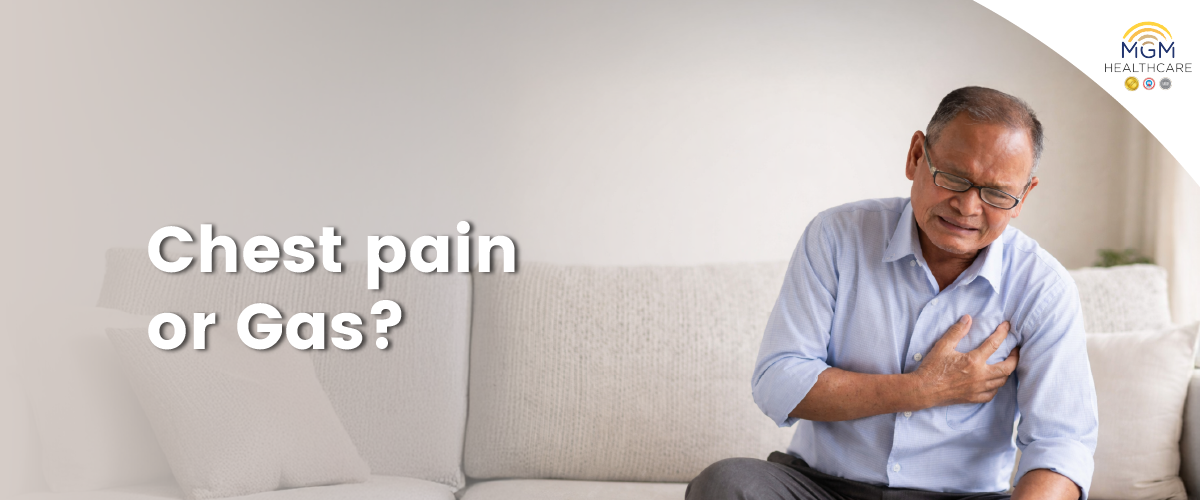
Is It Just Gas or Something More Serious?

  • Chest pain is often mistaken for gas, but in some cases, it can be an early sign of a heart attack.
    But not all chest discomfort is harmless. In many real-world cases at MGM Healthcare, patients arrive hours after symptoms begin only to discover they were experiencing a heart attack, not indigestion.

    The challenge is simple:
    Early heart symptoms don’t always feel “serious.”

    That’s what makes them dangerous.

Why People Mistake Heart Symptoms for Gas

  • The human body doesn’t always send clear signals.

    Heart-related discomfort can feel like:

    • Mild pressure
    • Burning sensation
    • General uneasiness in the chest

    At the same time, acidity can also cause:

    • Chest discomfort
    • Bloating
    • Burning feeling

    This overlap leads many people to delay medical care.

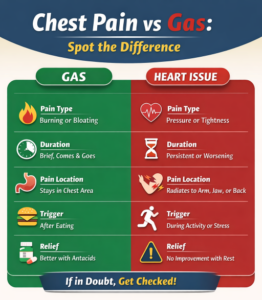
How Chest Pain from Gas Feels Different from Heart Pain

  • Instead of guessing, focus on patterns.

    What You Feel More Likely Gas More Likely Heart Issue
    Type of discomfort Burning or bloating Tightness, pressure, squeezing
    Duration Comes and goes quickly Lasts longer or keeps returning
    Spread of pain Usually stays in chest Moves to arm, jaw, or back
    Trigger After eating During activity or stress
    Relief Improves after digestion No clear relief

    If the pain feels unusual or persistent, don’t assume; get it checked.

    You can also explore common causes of chest pain at night to understand different triggers.

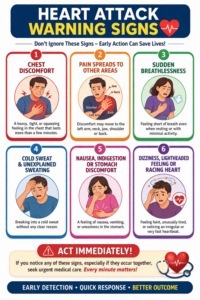
Symptoms That Should Never Be Ignored

  • Some signs clearly indicate that the heart may be involved:

    • A heavy or squeezing feeling in the chest
    • Pain spreading to the left arm, neck, or jaw
    • Sudden breathlessness without exertion
    • Sweating without reason
    • Nausea or lightheadedness
    • Irregular or racing heartbeat

    These are not “wait and watch” symptoms.

    Learn more about heart attack symptoms and early warning signs

A Growing Concern: Heart Attacks in Younger Adults

When Should You Stop Ignoring Symptoms?

  • You should consult a cardiologist if:

    • Chest discomfort happens repeatedly
    • Symptoms occur during physical activity
    • You have diabetes or high blood pressure
    • There is a family history of heart disease
    • You are over 40

    Early evaluation often prevents major complications later.

What to Expect During a Heart Evaluation

  • Many people delay testing due to fear of complex procedures.
    In reality, initial evaluation is straightforward:

    • ECG to check heart rhythm
    • Echo to assess heart function
    • Stress test to evaluate performance
    • Blood tests for risk markers

    Based on results, doctors decide the next steps.

Treatment Depends on the Severity

  • If a blockage is detected, treatment may include:

    Angioplasty

    Bypass Surgery

    • Recommended when multiple arteries are affected
    • Offers long-term results

    The choice is always personalized.

What Happens If You Ignore Early Signs?

  • Delaying care can lead to:

    • Permanent damage to heart muscle
    • Sudden cardiac arrest
    • Life-threatening complications

    In extreme cases, this may result in sudden cardiac death

Recovery Is Possible with Timely Treatment

  • The good news is most patients recover well when treated early.

    With proper care, patients can:

    • Return to work
    • Resume daily activities
    • Improve overall lifestyle

    Rehabilitation and follow-up are key.

Choosing the Right Cardiac Care Matters

  • The outcome of heart treatment depends heavily on where you go.

    Look for:

    The right setup can significantly improve survival rates.

Understanding the Cost of Treatment

  • Costs vary depending on:

    Most hospitals provide insurance support to reduce financial burden.

Don’t Wait for Symptoms to Get Worse

  • What feels minor today could become serious tomorrow.

    Heart problems rarely start with dramatic signs; they start quietly.

    Take Action Early

    If you’ve experienced unexplained chest discomfort, it’s worth getting checked.

    Explore cardiac screening in Chennai

    At MGM Healthcare, Chennai, specialists like Dr. Ajay Shunmugarajan focus on early detection and timely care.

    Acting early can make all the difference.

Frequently Asked Questions

How can I tell if chest pain is dangerous?

If the pain lasts more than a few minutes, spreads to other parts of the body, or is associated with breathlessness or sweating, it should be treated as a medical emergency.

Can acidity feel like heart pain?

Yes, acidity can mimic heart pain. However, heart-related pain usually feels heavier and does not improve easily.

Is left-side chest pain always related to the heart?

Not always, but it should never be ignored without proper evaluation.

Do heart attacks always cause severe pain?

No. Some heart attacks begin with mild discomfort that gradually worsens.

Can lifestyle changes really prevent heart disease?

Yes. Regular exercise, a balanced diet, stress management, and routine check-ups significantly reduce risk.